REGISTRATION
THE SPEAKERS
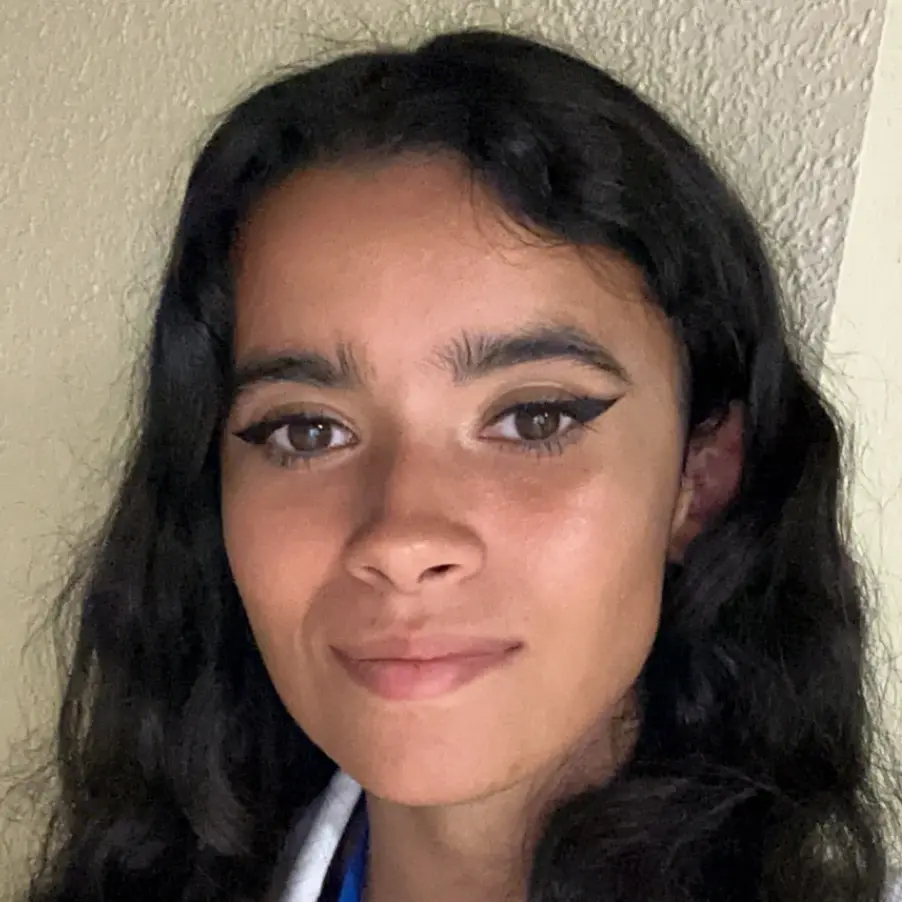
Lina BOUMEDIENE
Lina Boumediene is a second-year Ph.D. student in structural biology at Institut Pasteur, currently studying the structure of the hepatitis B virus (HBV) capsid and its interaction with small protein domains within the infected host cell. Her research focuses on understanding how these interactions contribute to the viral life cycle, using cryo-electron microscopy (cryoEM) as her main tool. She is particularly interested in how structural insights can help inform future therapeutic approaches.
Lina completed a master’s degree in Biochemistry and Structural Biology, where she initially focused on the functional side of biochemistry. Over time, her interest shifted toward structural biology, drawn by the potential to visualize biological mechanisms at near-atomic resolution. That transition led her to the field of cryoEM, where she is now developing her skills in data collection, image processing, and model building.
Finding great motivation in the collaborative nature of science and the opportunity to contribute to a deeper understanding of virus-host interactions, her work is part of a broader effort to explore how viruses exploit cellular machinery, and how structural methods can help uncover those mechanisms.
Lina completed a master’s degree in Biochemistry and Structural Biology, where she initially focused on the functional side of biochemistry. Over time, her interest shifted toward structural biology, drawn by the potential to visualize biological mechanisms at near-atomic resolution. That transition led her to the field of cryoEM, where she is now developing her skills in data collection, image processing, and model building.
Finding great motivation in the collaborative nature of science and the opportunity to contribute to a deeper understanding of virus-host interactions, her work is part of a broader effort to explore how viruses exploit cellular machinery, and how structural methods can help uncover those mechanisms.
Lina BOUMEDIENE
Lina Boumediene is a second-year Ph.D. student in structural biology at Institut Pasteur, currently studying the structure of the hepatitis B virus (HBV) capsid and its interaction with small protein domains within the infected host cell. Her research focuses on understanding how these interactions contribute to the viral life cycle, using cryo-electron microscopy (cryoEM) as her main tool. She is particularly interested in how structural insights can help inform future therapeutic approaches.
Lina completed a master’s degree in Biochemistry and Structural Biology, where she initially focused on the functional side of biochemistry. Over time, her interest shifted toward structural biology, drawn by the potential to visualize biological mechanisms at near-atomic resolution. That transition led her to the field of cryoEM, where she is now developing her skills in data collection, image processing, and model building.
Finding great motivation in the collaborative nature of science and the opportunity to contribute to a deeper understanding of virus-host interactions, her work is part of a broader effort to explore how viruses exploit cellular machinery, and how structural methods can help uncover those mechanisms.
Lina completed a master’s degree in Biochemistry and Structural Biology, where she initially focused on the functional side of biochemistry. Over time, her interest shifted toward structural biology, drawn by the potential to visualize biological mechanisms at near-atomic resolution. That transition led her to the field of cryoEM, where she is now developing her skills in data collection, image processing, and model building.
Finding great motivation in the collaborative nature of science and the opportunity to contribute to a deeper understanding of virus-host interactions, her work is part of a broader effort to explore how viruses exploit cellular machinery, and how structural methods can help uncover those mechanisms.
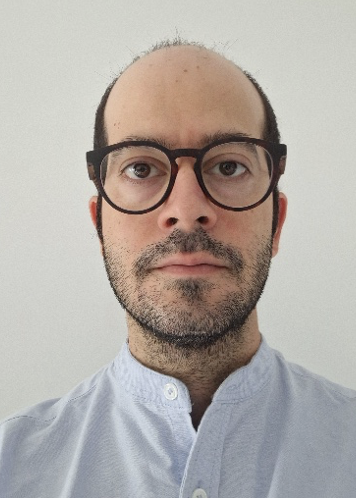
João DIOGO DIAS
I am postdoctoral researcher working with Dr. Christine Neuveut in the Molecular Virology lab in the Institute of Human Genetics in Montpellier. My research background and interests are mostly centered in transcription, chromatin organization and regulation of gene expression.
After finishing my undergrad and master studies in the University of Lisbon, I did a research internship studying lentiviral vectors stability and later became a research technician in virology. For my PhD I joined Dr. Ana Pombo’s lab initially at the Clinical Sciences Centre, Imperial College, London, UK and later at the Berlin Institute for Medical Systems Biology, Berlin, Germany. During my PhD I characterized new post-translational modifications of RNA polymerase II and their role in transcriptional regulation in mouse ES cells.
Currently, I am mainly involved in two research projects, the study of HBV integrations in the context of the 3D genome organization in hepatocellular carcinoma and cccDNA chromatin structure and regulation of HBV gene expression.
After finishing my undergrad and master studies in the University of Lisbon, I did a research internship studying lentiviral vectors stability and later became a research technician in virology. For my PhD I joined Dr. Ana Pombo’s lab initially at the Clinical Sciences Centre, Imperial College, London, UK and later at the Berlin Institute for Medical Systems Biology, Berlin, Germany. During my PhD I characterized new post-translational modifications of RNA polymerase II and their role in transcriptional regulation in mouse ES cells.
Currently, I am mainly involved in two research projects, the study of HBV integrations in the context of the 3D genome organization in hepatocellular carcinoma and cccDNA chromatin structure and regulation of HBV gene expression.
João DIOGO DIAS
I am postdoctoral researcher working with Dr. Christine Neuveut in the Molecular Virology lab in the Institute of Human Genetics in Montpellier. My research background and interests are mostly centered in transcription, chromatin organization and regulation of gene expression.
After finishing my undergrad and master studies in the University of Lisbon, I did a research internship studying lentiviral vectors stability and later became a research technician in virology. For my PhD I joined Dr. Ana Pombo’s lab initially at the Clinical Sciences Centre, Imperial College, London, UK and later at the Berlin Institute for Medical Systems Biology, Berlin, Germany. During my PhD I characterized new post-translational modifications of RNA polymerase II and their role in transcriptional regulation in mouse ES cells.
Currently, I am mainly involved in two research projects, the study of HBV integrations in the context of the 3D genome organization in hepatocellular carcinoma and cccDNA chromatin structure and regulation of HBV gene expression.
After finishing my undergrad and master studies in the University of Lisbon, I did a research internship studying lentiviral vectors stability and later became a research technician in virology. For my PhD I joined Dr. Ana Pombo’s lab initially at the Clinical Sciences Centre, Imperial College, London, UK and later at the Berlin Institute for Medical Systems Biology, Berlin, Germany. During my PhD I characterized new post-translational modifications of RNA polymerase II and their role in transcriptional regulation in mouse ES cells.
Currently, I am mainly involved in two research projects, the study of HBV integrations in the context of the 3D genome organization in hepatocellular carcinoma and cccDNA chromatin structure and regulation of HBV gene expression.

Hélène FONTAINE
Hélène Fontaine is medical Doctor in the Hepatology Unit in Beaujon, Lariboisère and Saint-Louis Hospital, France. She is involved in the management of patients with chronic hepatitis B, C and D. She is co-investigator coordinator fot the ANRS French real-life cohort for patients with chronic hepatitis Delta, HepDelta and co-cordinator of the research group AC45 (clinical research for viral hepatitis) of ANRS/MIE with the Pr Nathalie Ganne.
Hélène FONTAINE
Hélène Fontaine is medical Doctor in the Hepatology Unit in Beaujon, Lariboisère and Saint-Louis Hospital, France. She is involved in the management of patients with chronic hepatitis B, C and D. She is co-investigator coordinator fot the ANRS French real-life cohort for patients with chronic hepatitis Delta, HepDelta and co-cordinator of the research group AC45 (clinical research for viral hepatitis) of ANRS/MIE with the Pr Nathalie Ganne.
Maria Stella FRANZÈ
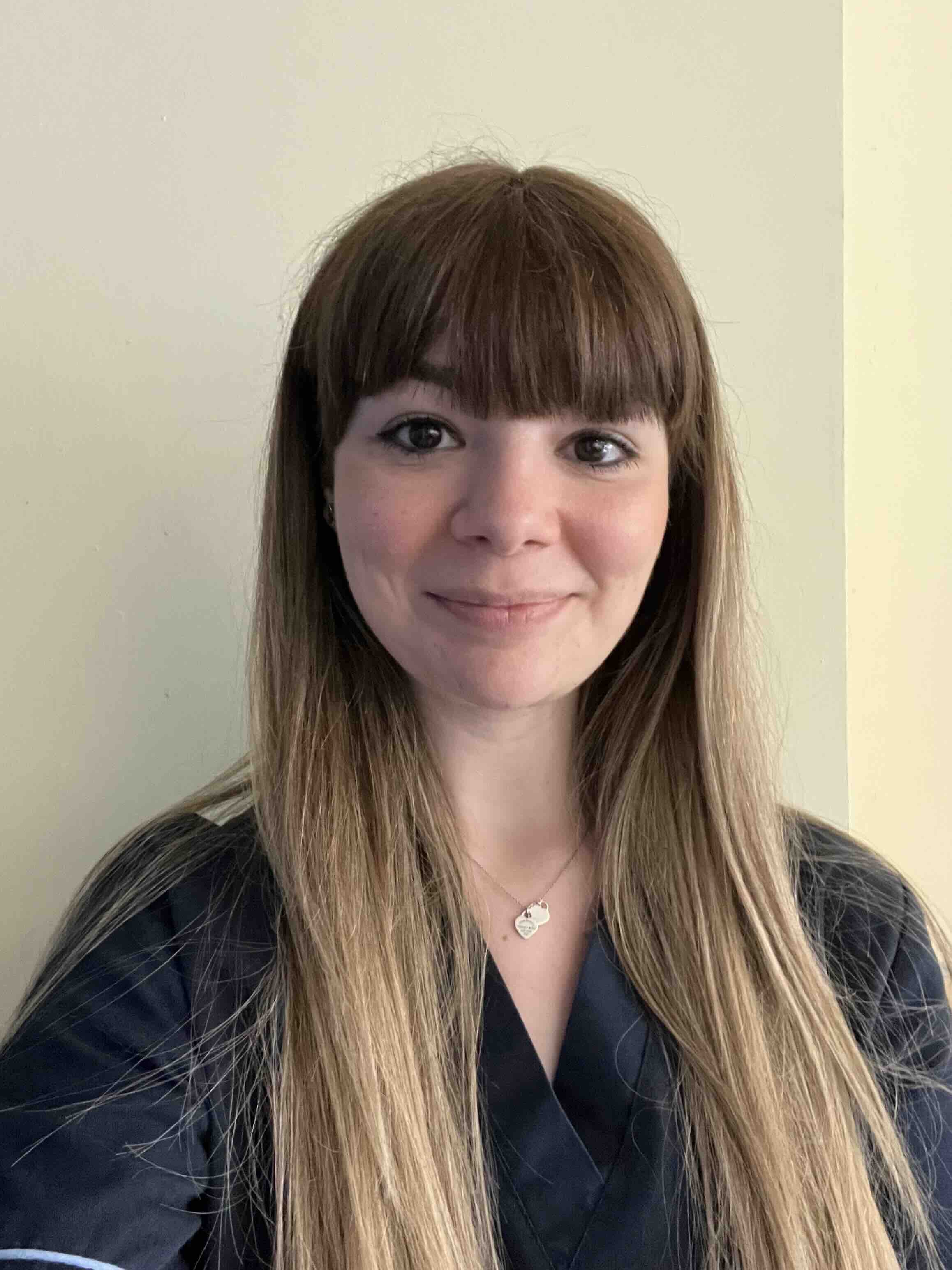
Dr. Maria Stella Franzè is a medical doctor specialized in Internal Medicine with a focus on liver diseases, and a research scientist at the Medicine and Hepatology Unit of the University Hospital of Messina, Italy. She obtained her MD and completed her residency in Internal Medicine at the University of Messina. After graduation, she was awarded a research fellowship at the Clinical and Biomolecular Hepatology Division of the University Hospital of Messina, where she investigated primary liver tumors associated with occult HBV infection. She subsequently pursued a joint PhD in “Translational Molecular Medicine and Surgery” and “Sciences de la Vie et de la Santé” between the University of Messina and Université Paris-Est Créteil (UPEC), France. During her PhD, her research focused on characterizing the intrahepatic immune microenvironment and gene expression profiles in hepatitis B and hepatocellular carcinoma (HCC). Currently, her research interests include both clinical and translational studies on chronic hepatitis B, HCC, and the immune microenvironment in liver diseases. She actively collaborates with the “Viruses-Hepatology-Cancer“ team at the Mondor Institute of Biomedical Research (INSERM U955), Créteil, France.
Maria Stella FRANZÈ
Dr. Maria Stella Franzè is a medical doctor specialized in Internal Medicine with a focus on liver diseases, and a research scientist at the Medicine and Hepatology Unit of the University Hospital of Messina, Italy. She obtained her MD and completed her residency in Internal Medicine at the University of Messina. After graduation, she was awarded a research fellowship at the Clinical and Biomolecular Hepatology Division of the University Hospital of Messina, where she investigated primary liver tumors associated with occult HBV infection. She subsequently pursued a joint PhD in “Translational Molecular Medicine and Surgery” and “Sciences de la Vie et de la Santé” between the University of Messina and Université Paris-Est Créteil (UPEC), France. During her PhD, her research focused on characterizing the intrahepatic immune microenvironment and gene expression profiles in hepatitis B and hepatocellular carcinoma (HCC). Currently, her research interests include both clinical and translational studies on chronic hepatitis B, HCC, and the immune microenvironment in liver diseases. She actively collaborates with the “Viruses-Hepatology-Cancer“ team at the Mondor Institute of Biomedical Research (INSERM U955), Créteil, France.
Adam GEHRING
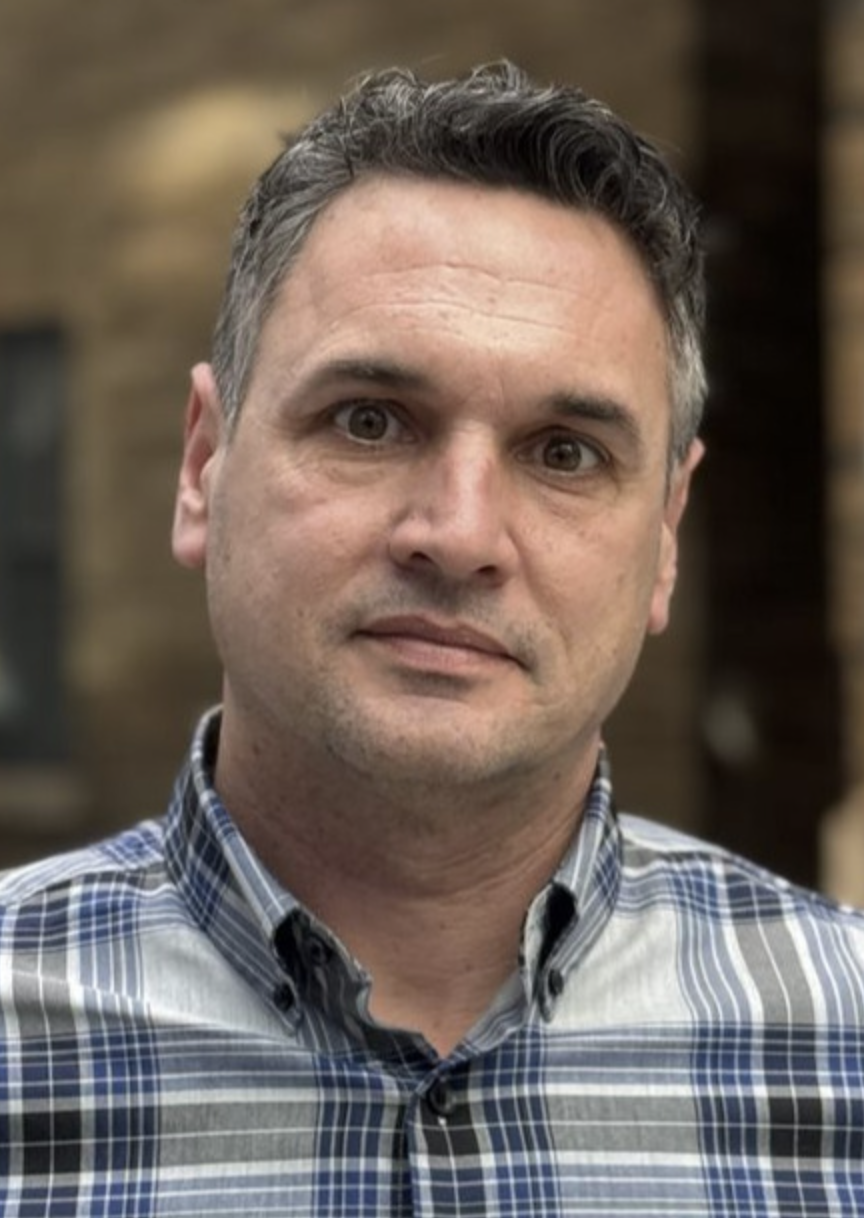
Adam Gehring received his Ph.D. in 2004 at Case Western Reserve University in Cleveland, Ohio. His training included a Postdoctoral Fellowship in the Institute of Hepatology at University College London and a position of Senior Research Fellow, and subsequently Assistant Principal Investigator, at the Singapore Institute for Clinical Sciences with Antonio Bertoletti. Dr. Gehring moved to Saint Louis University as an Assistant Professor in March 2013 before taking a position at the Toronto Center for Liver Disease in February 2016. Dr. Gehring is currently the Scientific Director of the Schwartz Reisman Liver Research Centre, Senior Scientist at the Toronto Center for Liver Disease and Associate Professor in the Department of Immunology at the University of Toronto. He runs a translational, human HBV immunology research lab focused on liver pathogenesis and immunotherapy. His primary interest lies in defining the mechanisms responsible for HBV clearance and liver inflammation using functional and transcriptomic approaches in liver biopsies collected as part of Phase 1 – 3 clinical trials. He runs an immune profiling lab for the Toronto Centre for Liver Disease to process and analyze immune responses in Phase 1 - 3 clinical studies for multiple chronic liver diseases.
Adam GEHRING
Adam Gehring received his Ph.D. in 2004 at Case Western Reserve University in Cleveland, Ohio. His training included a Postdoctoral Fellowship in the Institute of Hepatology at University College London and a position of Senior Research Fellow, and subsequently Assistant Principal Investigator, at the Singapore Institute for Clinical Sciences with Antonio Bertoletti. Dr. Gehring moved to Saint Louis University as an Assistant Professor in March 2013 before taking a position at the Toronto Center for Liver Disease in February 2016. Dr. Gehring is currently the Scientific Director of the Schwartz Reisman Liver Research Centre, Senior Scientist at the Toronto Center for Liver Disease and Associate Professor in the Department of Immunology at the University of Toronto. He runs a translational, human HBV immunology research lab focused on liver pathogenesis and immunotherapy. His primary interest lies in defining the mechanisms responsible for HBV clearance and liver inflammation using functional and transcriptomic approaches in liver biopsies collected as part of Phase 1 – 3 clinical trials. He runs an immune profiling lab for the Toronto Centre for Liver Disease to process and analyze immune responses in Phase 1 - 3 clinical studies for multiple chronic liver diseases.

Jérémie GUEDJ
I am a research scientist in biostatistics/pharmacometrics at the French Institute of Health & Medical Research (Inserm), specialized in infectious diseases and antiviral treatment. My researches have theoretical objectives, such as developing mathematical models to understand quantitative aspects of host/pathogen interaction. They also aim to impact clinical research by optimizing drug combination, dosing regimen and identify characteristics associated with a differential response to antiviral treatment. My researches have initially focused on chronic viral infections (HIV, HBV, HCV) and have progressively shifted to acute emerging viral infections (SARS-CoV-2, viral hemorrhagic fever). I also apply the models and the statistical methods developed in virus dynamics to other fields of research, in particular bacterial dynamics (microbiota, phage therapy) and cancer.
I work in the INSERM IAME laboratory devoted to infectious diseases, and located on the premises of Hospital Bichat campus, in the north of Paris. Within IAME, I am leading a group named MOCLID devoted to modeling and clinical investigation in infectious diseases, gathering about 50 scientists, medical doctors and young researchers.
I work in the INSERM IAME laboratory devoted to infectious diseases, and located on the premises of Hospital Bichat campus, in the north of Paris. Within IAME, I am leading a group named MOCLID devoted to modeling and clinical investigation in infectious diseases, gathering about 50 scientists, medical doctors and young researchers.
Jérémie GUEDJ
I am a research scientist in biostatistics/pharmacometrics at the French Institute of Health & Medical Research (Inserm), specialized in infectious diseases and antiviral treatment. My researches have theoretical objectives, such as developing mathematical models to understand quantitative aspects of host/pathogen interaction. They also aim to impact clinical research by optimizing drug combination, dosing regimen and identify characteristics associated with a differential response to antiviral treatment. My researches have initially focused on chronic viral infections (HIV, HBV, HCV) and have progressively shifted to acute emerging viral infections (SARS-CoV-2, viral hemorrhagic fever). I also apply the models and the statistical methods developed in virus dynamics to other fields of research, in particular bacterial dynamics (microbiota, phage therapy) and cancer.
I work in the INSERM IAME laboratory devoted to infectious diseases, and located on the premises of Hospital Bichat campus, in the north of Paris. Within IAME, I am leading a group named MOCLID devoted to modeling and clinical investigation in infectious diseases, gathering about 50 scientists, medical doctors and young researchers.
I work in the INSERM IAME laboratory devoted to infectious diseases, and located on the premises of Hospital Bichat campus, in the north of Paris. Within IAME, I am leading a group named MOCLID devoted to modeling and clinical investigation in infectious diseases, gathering about 50 scientists, medical doctors and young researchers.
Matteo IANNACONE
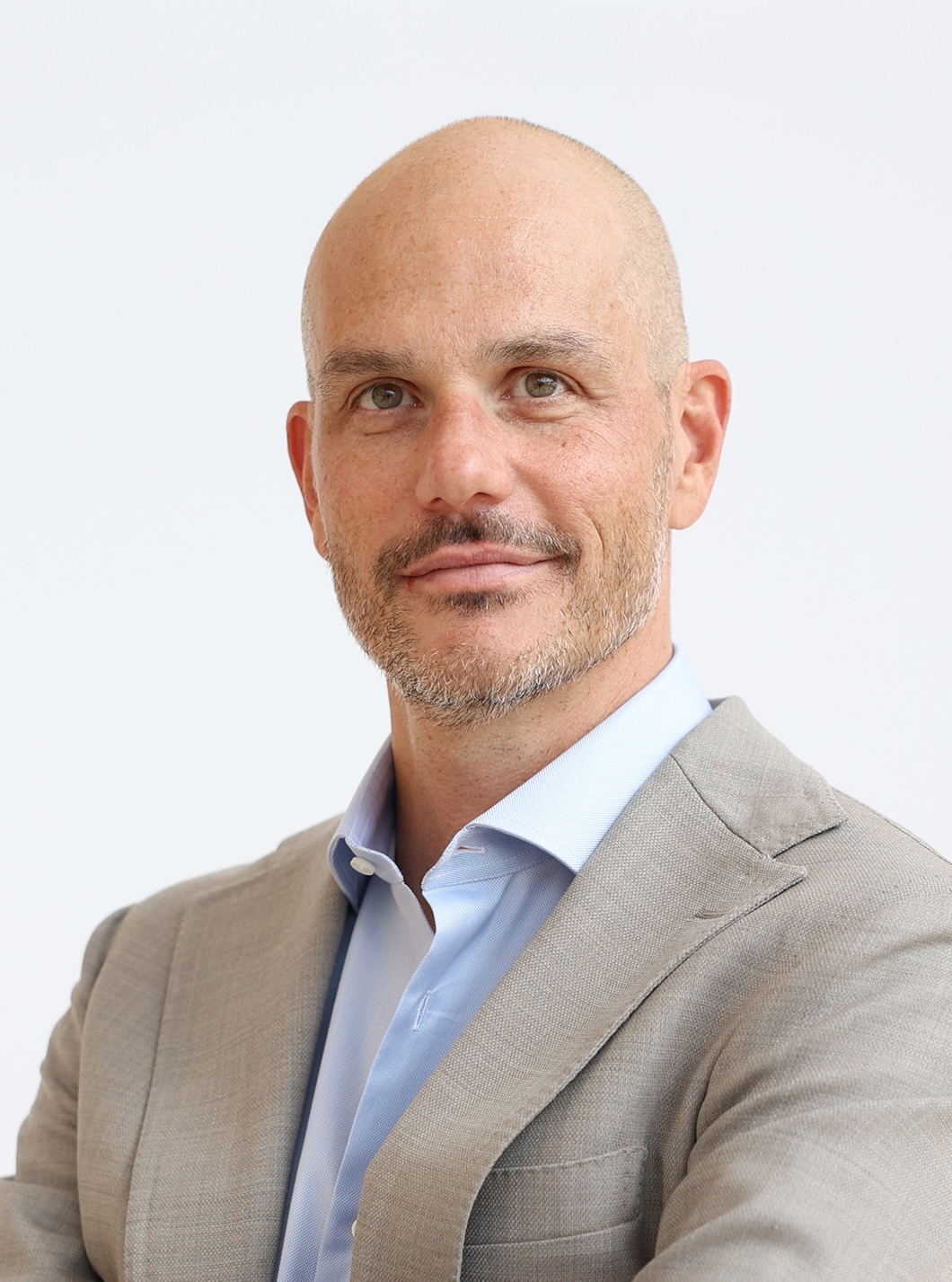
Matteo Iannacone obtained a M.D. degree from the University of Milan, Italy, followed by a residency in Internal Medicine and a Ph.D. in Immunology from Vita-Salute San Raffaele University in Milan, Italy. He trained as a postdoctoral fellow at The Scripps Research Institute, La Jolla, CA and at Harvard Medical School, Boston, MA. He is currently the Director of the Division of Immunology, Transplantation and Infectious Diseases, Professor of Pathology, and Head of the Dynamics of Immune Responses laboratory at the San Raffaele Scientific Institute and University in Milan, Italy. By combining cutting-edge in vivo imaging techniques, single-cell technologies and advanced animal models, Matteo has made fundamental contributions to our understanding of adaptive immune responses against pathogens and tumors. His work has been published in the most important scientific journals (including Nature, Cell, Science, Immunity, Nature Medicine, Nature Immunology) and he holds 14 international patents. He has received numerous awards for his work, including the Armenise-Harvard Foundation Career Development Award, an ERC Starting Grant, the Young Investigator Award from the European Association for the Study of the Liver, the EMBO Young Investigator Award, an ERC Consolidator Grant, the Chiara D’Onofrio Award, two ERC Proof of Concept Grants, an ERC Advanced Grant. He is an elected member of the Henry Kunkel Society and of EMBO. He serves as the Editor-in-Chief of European Journal of Immunology and an editorial board member for Science Immunology, Journal of Experimental Medicine, EMBO Journal, Trends in Immunology, hLife, Virology, Review Commons and Faculty Opinion. He has published more than 125 papers that received more than 14,000 citations with an H-index of 57.
Matteo IANNACONE
Matteo Iannacone obtained a M.D. degree from the University of Milan, Italy, followed by a residency in Internal Medicine and a Ph.D. in Immunology from Vita-Salute San Raffaele University in Milan, Italy. He trained as a postdoctoral fellow at The Scripps Research Institute, La Jolla, CA and at Harvard Medical School, Boston, MA. He is currently the Director of the Division of Immunology, Transplantation and Infectious Diseases, Professor of Pathology, and Head of the Dynamics of Immune Responses laboratory at the San Raffaele Scientific Institute and University in Milan, Italy. By combining cutting-edge in vivo imaging techniques, single-cell technologies and advanced animal models, Matteo has made fundamental contributions to our understanding of adaptive immune responses against pathogens and tumors. His work has been published in the most important scientific journals (including Nature, Cell, Science, Immunity, Nature Medicine, Nature Immunology) and he holds 14 international patents. He has received numerous awards for his work, including the Armenise-Harvard Foundation Career Development Award, an ERC Starting Grant, the Young Investigator Award from the European Association for the Study of the Liver, the EMBO Young Investigator Award, an ERC Consolidator Grant, the Chiara D’Onofrio Award, two ERC Proof of Concept Grants, an ERC Advanced Grant. He is an elected member of the Henry Kunkel Society and of EMBO. He serves as the Editor-in-Chief of European Journal of Immunology and an editorial board member for Science Immunology, Journal of Experimental Medicine, EMBO Journal, Trends in Immunology, hLife, Virology, Review Commons and Faculty Opinion. He has published more than 125 papers that received more than 14,000 citations with an H-index of 57.
Gonzague JOURDAIN
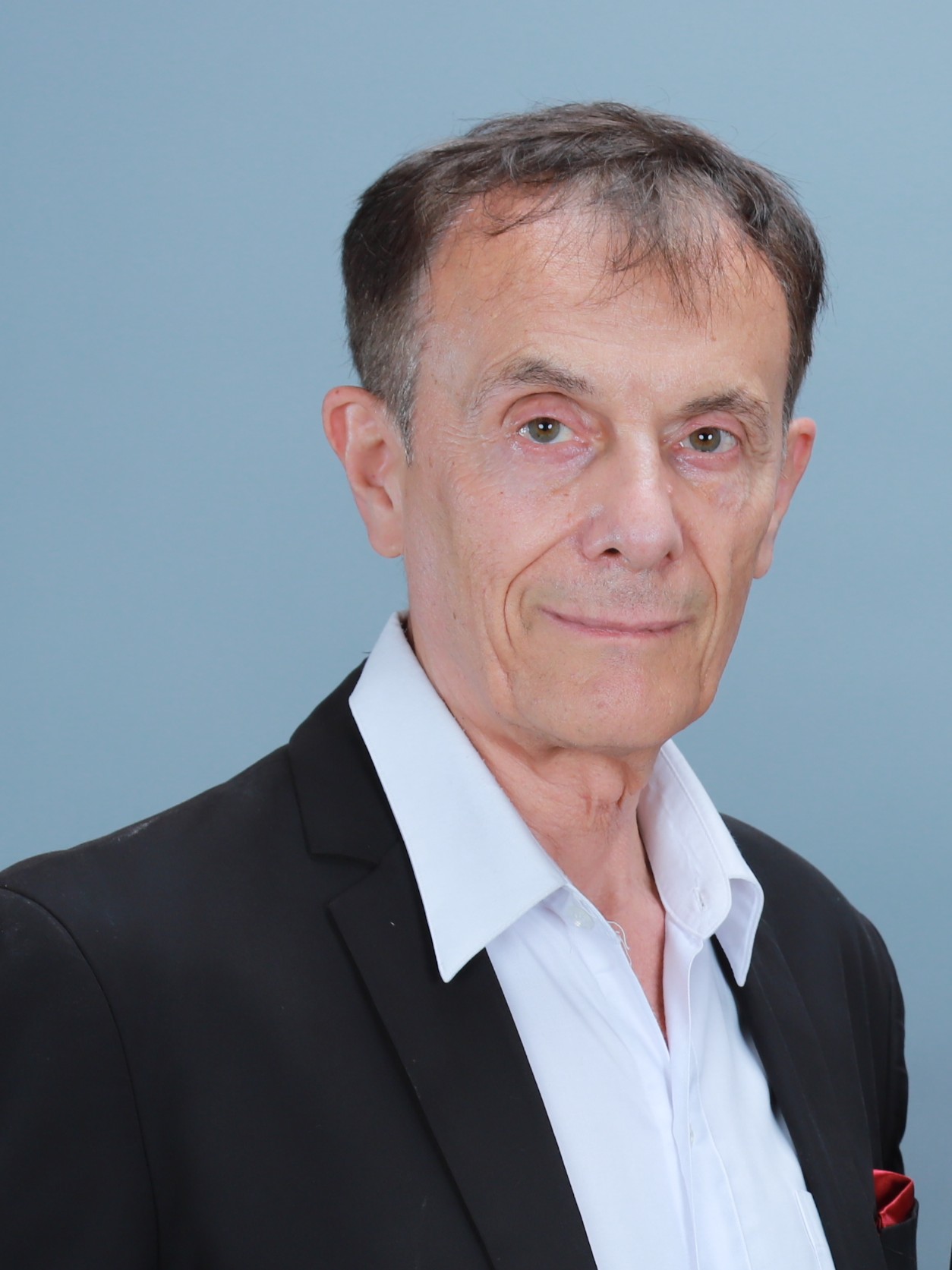
Gonzague Jourdain, MD, PhD, is a clinical epidemiologist. He worked for Harvard School of Public Health from 1996 to 2006, then for the Institut de recherche pour le développement (IRD). He currently works for Chiang Mai University in Thailand. His research work has focused on the prevention of mother-to-child transmission of HIV and hepatitis B virus, as well as the treatment of HIV infection in South East Asia. He believes that sound public health policies must be evidence-based. His work helped improve WHO prophylaxis recommendations. His general approach is to identify relevant research questions whose answer can contribute to solving a health problem especially through clinical trials, in collaboration with biologists, biostatisticians an communities. He received most of his research funding for clinical research from the US NIH, but was funded by ANRS-MIE for several projects during the last 3 years. He has authored or co-authored more than 150 publications and some of. He has also contributed to research capacity building through the supervision of numerous students from South East Asia and beyond, and the organization of scientific conferences, notably through organizing a yearly conference on hepatitis in Laos for more than 10 years.
Gonzague JOURDAIN
Gonzague Jourdain, MD, PhD, is a clinical epidemiologist. He worked for Harvard School of Public Health from 1996 to 2006, then for the Institut de recherche pour le développement (IRD). He currently works for Chiang Mai University in Thailand. His research work has focused on the prevention of mother-to-child transmission of HIV and hepatitis B virus, as well as the treatment of HIV infection in South East Asia. He believes that sound public health policies must be evidence-based. His work helped improve WHO prophylaxis recommendations. His general approach is to identify relevant research questions whose answer can contribute to solving a health problem especially through clinical trials, in collaboration with biologists, biostatisticians an communities. He received most of his research funding for clinical research from the US NIH, but was funded by ANRS-MIE for several projects during the last 3 years. He has authored or co-authored more than 150 publications and some of. He has also contributed to research capacity building through the supervision of numerous students from South East Asia and beyond, and the organization of scientific conferences, notably through organizing a yearly conference on hepatitis in Laos for more than 10 years.

Pietro LAMPERTICO
Professor Pietro Lampertico is Full Professor in the Gastroenterology, Director of the Gastroenterology and Hepatology Division, Head of the “A. M. e A. Migliavacca” Center for Liver Disease at the Fondazione IRCCS Ca’ Granda, Ospedale Maggiore Policlinico, University of Milan, Milan, Italy. A 1986 graduate of the State University of Milan with degrees in medicine and surgery, Professor Lampertico completed his postdoctoral research in the Department of Experimental Pathology at Tulane University in New Orleans, USA. Upon his return to Milan, he completed specialisations in liver diseases and internal medicine. He received his PhD in clinical methodology from the University of Milan in 1998. In the Gastroenterology Unit, Professor Lampertico is primarily involved in the clinical management of chronic viral hepatitis outpatients, particularly those with CHB and CHD. His research interests include the treatment of patients with chronic hepatitis/cirrhosis due to HBV and HDV, the long-term outcomes of cirrhotic patients undergoing antiviral treatment, and the diagnosis and management of antiviral resistance to oral nucleos(t)ide analogues. Since November 2016, as Director of the Gastroenterology and Hepatology Division, he overlooks all the medical and scientific activities in the field of acute and chronic liver diseases, including liver transplanted patients. Professor Lampertico is currently a reviewer for several top-ranked international journals. He is a member of AASLD, EASL and AISF and serves in the Editorial Board of prestigious journals. He has spoken internationally about acute and chronic liver disease, specifically the natural history of virally-induced chronic hepatitis and antiviral treatment of HBV, HDV and HCV, and has published several articles and book chapters. He is currently involved in national and international phase1-4 clinical trials in HBV, HDV, HCV, MASLD/MASH, HCC, ACLF, ESLD, portal hypertension, cholestatic liver diseases and pre- and post-liver transplantation.
Pietro LAMPERTICO
Professor Pietro Lampertico is Full Professor in the Gastroenterology, Director of the Gastroenterology and Hepatology Division, Head of the “A. M. e A. Migliavacca” Center for Liver Disease at the Fondazione IRCCS Ca’ Granda, Ospedale Maggiore Policlinico, University of Milan, Milan, Italy. A 1986 graduate of the State University of Milan with degrees in medicine and surgery, Professor Lampertico completed his postdoctoral research in the Department of Experimental Pathology at Tulane University in New Orleans, USA. Upon his return to Milan, he completed specialisations in liver diseases and internal medicine. He received his PhD in clinical methodology from the University of Milan in 1998. In the Gastroenterology Unit, Professor Lampertico is primarily involved in the clinical management of chronic viral hepatitis outpatients, particularly those with CHB and CHD. His research interests include the treatment of patients with chronic hepatitis/cirrhosis due to HBV and HDV, the long-term outcomes of cirrhotic patients undergoing antiviral treatment, and the diagnosis and management of antiviral resistance to oral nucleos(t)ide analogues. Since November 2016, as Director of the Gastroenterology and Hepatology Division, he overlooks all the medical and scientific activities in the field of acute and chronic liver diseases, including liver transplanted patients. Professor Lampertico is currently a reviewer for several top-ranked international journals. He is a member of AASLD, EASL and AISF and serves in the Editorial Board of prestigious journals. He has spoken internationally about acute and chronic liver disease, specifically the natural history of virally-induced chronic hepatitis and antiviral treatment of HBV, HDV and HCV, and has published several articles and book chapters. He is currently involved in national and international phase1-4 clinical trials in HBV, HDV, HCV, MASLD/MASH, HCC, ACLF, ESLD, portal hypertension, cholestatic liver diseases and pre- and post-liver transplantation.
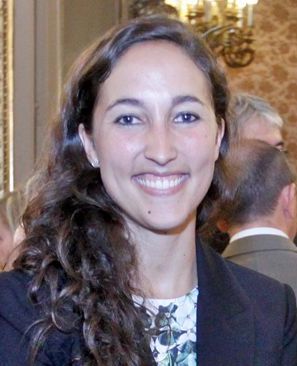
Sabela LENS
Sabela Lens earned her medical degree at the University of Santiago de Compostela and completed her fellowship in Gastroenterology and Hepatology at the Hospital Clínic of Barcelona. Dr Lens joined the Liver Unit in Hospital Clínic as Liver Specialist Staff member. She has worked in viral hepatitis for the last years, particularly in the epidemiology, diagnosis and therapy of hepatitis C and B and has authored more than 100 peer-reviewed articles in this field. In recent years she has gained a particular interest in developing microelimination programs for Hepatitis C infection and in the virus-host interactions in patients with chronic Hepatitis B and Delta. Dr Sabela Lens is also associate professor at the University of Barcelona and an associate editor in J Hepatology. She is an active member of scientific societies, she was Secretary of the Spanish Association for the Study of the Liver (2021-2023) and member of the Scientific Committee of the European Association of the Study of the Liver (EASL) (current).
Sabela LENS
Sabela Lens earned her medical degree at the University of Santiago de Compostela and completed her fellowship in Gastroenterology and Hepatology at the Hospital Clínic of Barcelona. Dr Lens joined the Liver Unit in Hospital Clínic as Liver Specialist Staff member. She has worked in viral hepatitis for the last years, particularly in the epidemiology, diagnosis and therapy of hepatitis C and B and has authored more than 100 peer-reviewed articles in this field. In recent years she has gained a particular interest in developing microelimination programs for Hepatitis C infection and in the virus-host interactions in patients with chronic Hepatitis B and Delta. Dr Sabela Lens is also associate professor at the University of Barcelona and an associate editor in J Hepatology. She is an active member of scientific societies, she was Secretary of the Spanish Association for the Study of the Liver (2021-2023) and member of the Scientific Committee of the European Association of the Study of the Liver (EASL) (current).
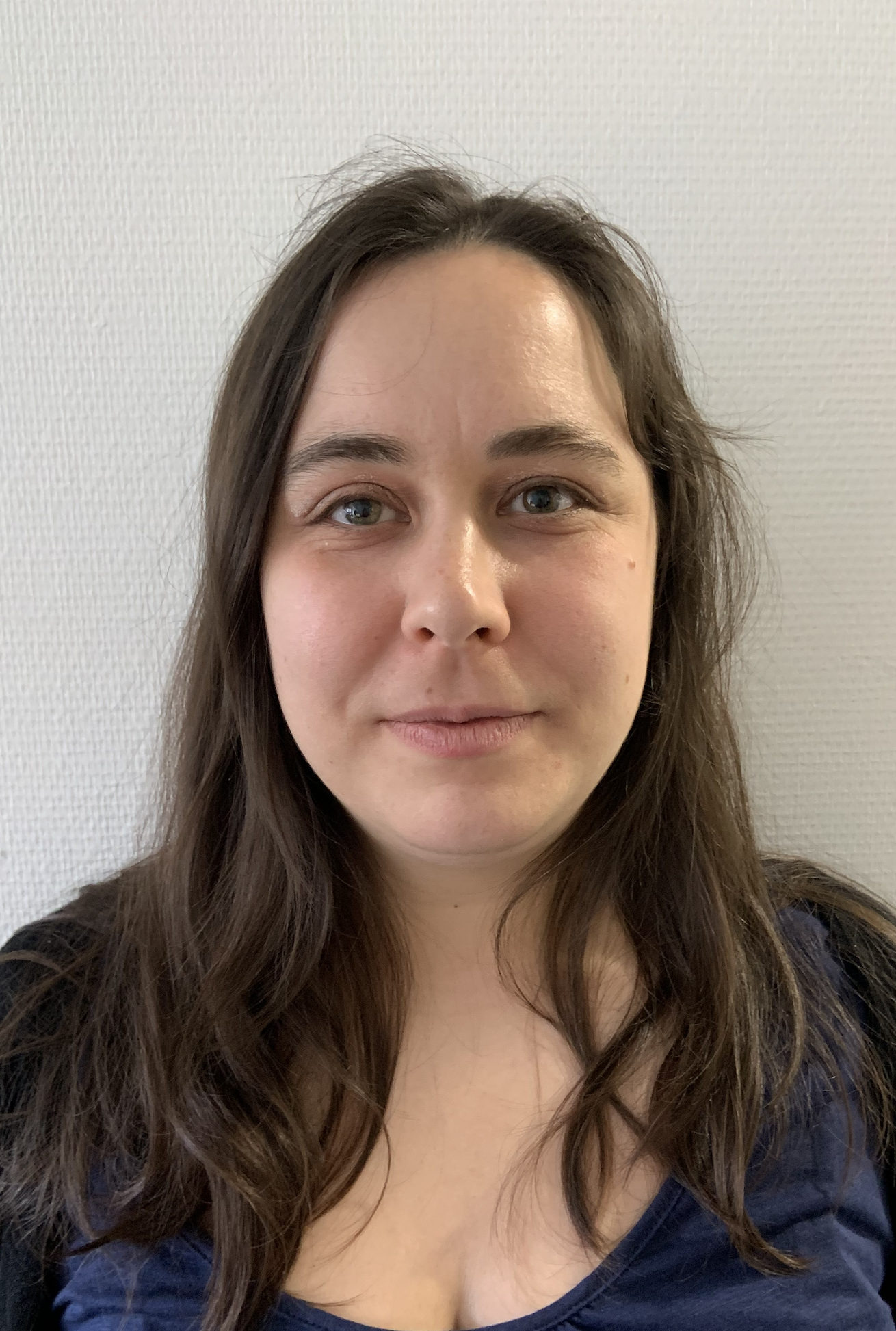
Clotilde LEPERS
After completing a PhD on plant–pollinator interactions and their impact on the evolution of plant reproductive systems (University of Lille), followed by two postdoctoral positions in mathematical modeling applied to evolutionary biology, I am now a research engineer at INSERM Unit IAME. These experiences allowed me to develop strong skills in modeling complex systems, which I now apply to public health research, particularly in the field of chronic hepatitis B. My work focuses on the medico-economic evaluation of healthcare strategies. This evaluation has several complementary components: first, modeling the progression of the disease under various treatment scenarios; second, estimating health-related costs; and third, assessing health-related quality of life. Only by combining these elements can we accurately evaluate the cost-effectiveness of treatment strategies and support public health decision-making. To obtain robust data on disease progression, I am involved in the IP-Cure-B project, which includes a clinical trial assessing the efficacy of innovative therapeutic strategies. For cost estimation, I work on a project analyzing healthcare costs using data from the French National Health Data System (SNDS) and the HEPATHER cohort, which has been linked to SNDS. To evaluate health-related quality of life and identify its key determinants in patients living with chronic hepatitis B, I conduct analyses within the HEPATHER cohort. Today, I will present our latest findings on the quality of life of patients living with chronic hepatitis B and the factors that influence it.
Clotilde LEPERS
After completing a PhD on plant–pollinator interactions and their impact on the evolution of plant reproductive systems (University of Lille), followed by two postdoctoral positions in mathematical modeling applied to evolutionary biology, I am now a research engineer at INSERM Unit IAME. These experiences allowed me to develop strong skills in modeling complex systems, which I now apply to public health research, particularly in the field of chronic hepatitis B. My work focuses on the medico-economic evaluation of healthcare strategies. This evaluation has several complementary components: first, modeling the progression of the disease under various treatment scenarios; second, estimating health-related costs; and third, assessing health-related quality of life. Only by combining these elements can we accurately evaluate the cost-effectiveness of treatment strategies and support public health decision-making. To obtain robust data on disease progression, I am involved in the IP-Cure-B project, which includes a clinical trial assessing the efficacy of innovative therapeutic strategies. For cost estimation, I work on a project analyzing healthcare costs using data from the French National Health Data System (SNDS) and the HEPATHER cohort, which has been linked to SNDS. To evaluate health-related quality of life and identify its key determinants in patients living with chronic hepatitis B, I conduct analyses within the HEPATHER cohort. Today, I will present our latest findings on the quality of life of patients living with chronic hepatitis B and the factors that influence it.

Nicolas MANEL
Nicolas Manel received his PhD from University of Montpellier, France in 2005. He then received training as a postdoctoral fellow in the lab of Dan Littman at NYU. In 2010, he became an INSERM principal investigator at Institut Curie in Paris, France. His lab focuses on understanding how cells discriminate self from non-self. The lab pioneered the study of the cGAS-STING pathway in the context of HIV infection. The lab currently studies the regulation of innate sensors in response to viruses and self, their evolution during aging, and their use in immunotherapy.
Nicolas MANEL
Nicolas Manel received his PhD from University of Montpellier, France in 2005. He then received training as a postdoctoral fellow in the lab of Dan Littman at NYU. In 2010, he became an INSERM principal investigator at Institut Curie in Paris, France. His lab focuses on understanding how cells discriminate self from non-self. The lab pioneered the study of the cGAS-STING pathway in the context of HIV infection. The lab currently studies the regulation of innate sensors in response to viruses and self, their evolution during aging, and their use in immunotherapy.
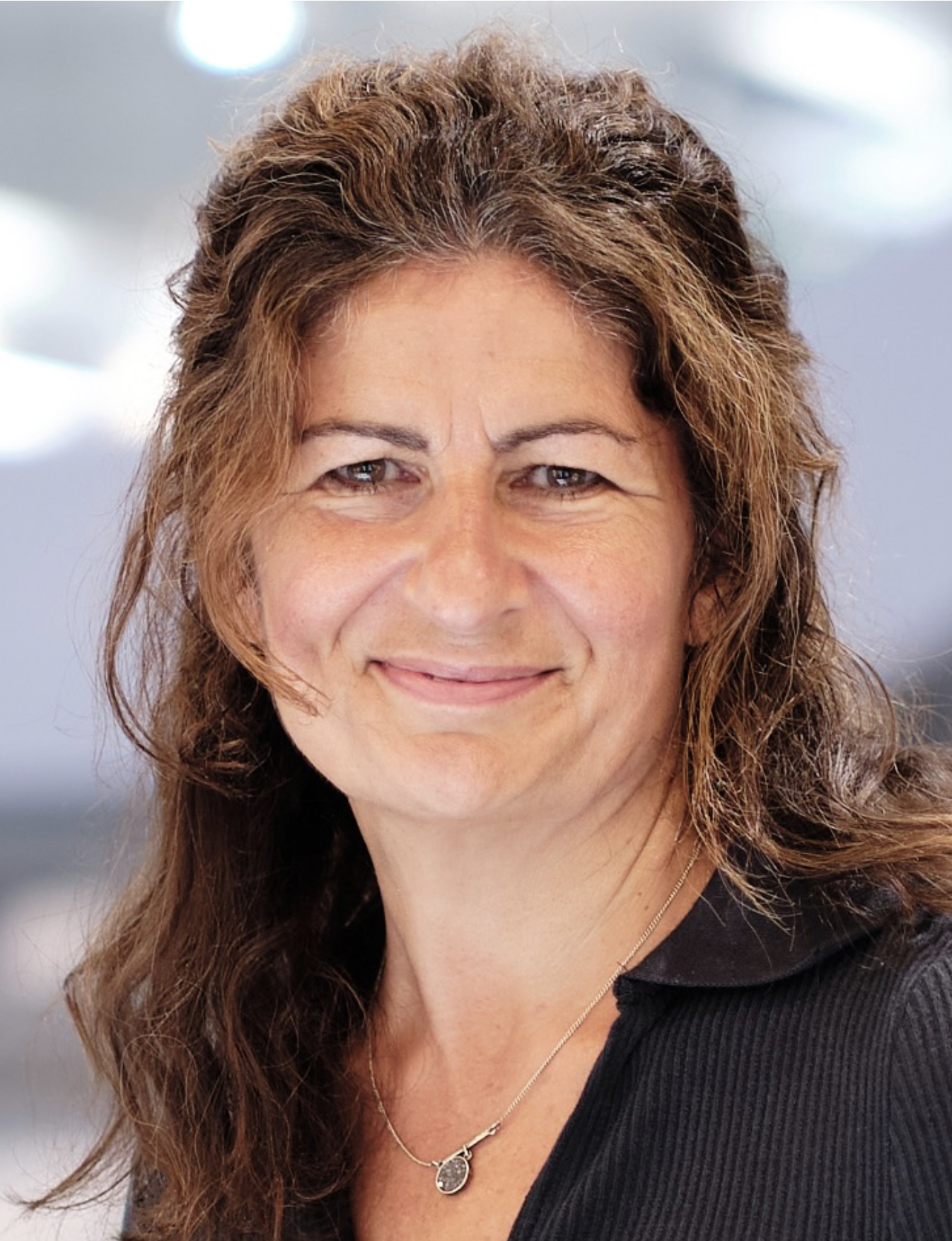
Mala MAINI
Mala Maini is a Professor of Viral Immunology in the Institute of Immunity and Transplantation, Division of Infection and Immunity at UCL, London and an Honorary Consultant Physician in the viral hepatitis clinic. Her lab studies adaptive immunity to hepatitis B, liver cancer and SARS-CoV-2 to inform the development of immunotherapies and vaccines for these major causes of morbidity and mortality. Through access to well-characterised patient cohorts, human tissue samples and models, their studies provide insights into beneficial and dysfunctional T and B cell responses. The lab is particularly interested in dissecting and harnessing tissue-resident immunity for frontline sentinel surveillance of viruses and cancer. Mala enjoys mentoring and supporting her lab members to obtain fellowships and develop their careers. Work in the Maini lab is funded by Wellcome (including Mala’s Investigator Award), UKRI, Cancer Research UK, ERC Horizon 2020 and the Royal Free Charity.
Mala MAINI
Mala Maini is a Professor of Viral Immunology in the Institute of Immunity and Transplantation, Division of Infection and Immunity at UCL, London and an Honorary Consultant Physician in the viral hepatitis clinic. Her lab studies adaptive immunity to hepatitis B, liver cancer and SARS-CoV-2 to inform the development of immunotherapies and vaccines for these major causes of morbidity and mortality. Through access to well-characterised patient cohorts, human tissue samples and models, their studies provide insights into beneficial and dysfunctional T and B cell responses. The lab is particularly interested in dissecting and harnessing tissue-resident immunity for frontline sentinel surveillance of viruses and cancer. Mala enjoys mentoring and supporting her lab members to obtain fellowships and develop their careers. Work in the Maini lab is funded by Wellcome (including Mala’s Investigator Award), UKRI, Cancer Research UK, ERC Horizon 2020 and the Royal Free Charity.
Vincent PARISSI
After a PhD on HIV-1 integration Parissi Vincent did a post-doc in Santiago of Chile medical faculty focused on retroviral early phases of replication. After two year at the pharmaceutic faculty of Bordeaux as professor associate working on bacterial integron mobility he joined as DR2 CNRS the Fundamental Microbiology and Pathogenicity institute (MFP) of Bordeaux France MFP where he has been leading the Pathogenic genome mobility and chromatin dynamics team (mobil’VIR) since 2006 through more than 20 national and international grants in the field of Host/virus interaction. As molecular virologist and biochemist, his main projects are dedicated to the understanding of cell chromatin invasion by retroviral genomes using cellular and biophysics approaches. His work led to the identification of new interactions between retroviral integration complexes (intasomes) and cell chromatin and the development of therapeuticales approach targeting the intasome/nucleosomes interfaces. V. Parissi’s researches also led to the demonstration of the regulation of HIV-1 infection by DNA repair pathways and more globally participated to the structure/function studies of DNA mobility nucleocomplexes. His recent COVID activities were focused on the characterization of ACE2/SARS-CoV-2 Spike interaction and led to novel antiviral approaches targeting the viral entry through several patents under maturation. V. Parissi also coordinates with S. Emililani (Cochin institute) the French National CNRS research group GDR 2194 “Dynamics of interactions between viral and cellular chromatins” bringing together a wide range of multidisciplinary expertises allowing the comparative study of the molecular mechanisms involved and their consequences on the pathophysiology of persistent viral infections.
Vincent PARISSI
After a PhD on HIV-1 integration Parissi Vincent did a post-doc in Santiago of Chile medical faculty focused on retroviral early phases of replication. After two year at the pharmaceutic faculty of Bordeaux as professor associate working on bacterial integron mobility he joined as DR2 CNRS the Fundamental Microbiology and Pathogenicity institute (MFP) of Bordeaux France MFP where he has been leading the Pathogenic genome mobility and chromatin dynamics team (mobil’VIR) since 2006 through more than 20 national and international grants in the field of Host/virus interaction. As molecular virologist and biochemist, his main projects are dedicated to the understanding of cell chromatin invasion by retroviral genomes using cellular and biophysics approaches. His work led to the identification of new interactions between retroviral integration complexes (intasomes) and cell chromatin and the development of therapeuticales approach targeting the intasome/nucleosomes interfaces. V. Parissi’s researches also led to the demonstration of the regulation of HIV-1 infection by DNA repair pathways and more globally participated to the structure/function studies of DNA mobility nucleocomplexes. His recent COVID activities were focused on the characterization of ACE2/SARS-CoV-2 Spike interaction and led to novel antiviral approaches targeting the viral entry through several patents under maturation. V. Parissi also coordinates with S. Emililani (Cochin institute) the French National CNRS research group GDR 2194 “Dynamics of interactions between viral and cellular chromatins” bringing together a wide range of multidisciplinary expertises allowing the comparative study of the molecular mechanisms involved and their consequences on the pathophysiology of persistent viral infections.
Lucia PARLATI
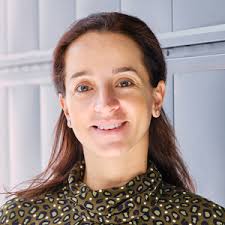
Dr. Lucia Parlati is a hepatologist at Hôpital Cochin in Paris, renowned for her expertise in viral hepatitis and metabolic liver disease. Her clinical and research interests focus on understanding the complex mechanisms underlying liver dysfunction and developing innovative therapeutic approaches. Dr. Parlati earned her PhD from Université Paris Cité, where she conducted experimental research on a murine model of liver fibrosis. Her groundbreaking work contributed to a deeper understanding of fibrogenesis and its potential therapeutic targets, marking her as a leading figure in translational liver research. Since 2022, Dr. Parlati has been the co-coordinator of the French HEPATHER cohort, a national research initiative aimed at improving the management and treatment of chronic hepatitis. At Hôpital Cochin, Dr. Parlati is highly regarded not only for her clinical acumen but also for her dedication to patient-centered care. She actively collaborates with multidisciplinary teams to provide comprehensive and personalized treatment plans, ensuring the best outcomes for her patients. Through her commitment to clinical excellence and research innovation, Dr. Lucia Parlati continues to contribute significantly to the field of hepatology, advancing the understanding and treatment of liver diseases.
Lucia PARLATI
Dr. Lucia Parlati is a hepatologist at Hôpital Cochin in Paris, renowned for her expertise in viral hepatitis and metabolic liver disease. Her clinical and research interests focus on understanding the complex mechanisms underlying liver dysfunction and developing innovative therapeutic approaches. Dr. Parlati earned her PhD from Université Paris Cité, where she conducted experimental research on a murine model of liver fibrosis. Her groundbreaking work contributed to a deeper understanding of fibrogenesis and its potential therapeutic targets, marking her as a leading figure in translational liver research. Since 2022, Dr. Parlati has been the co-coordinator of the French HEPATHER cohort, a national research initiative aimed at improving the management and treatment of chronic hepatitis. At Hôpital Cochin, Dr. Parlati is highly regarded not only for her clinical acumen but also for her dedication to patient-centered care. She actively collaborates with multidisciplinary teams to provide comprehensive and personalized treatment plans, ensuring the best outcomes for her patients. Through her commitment to clinical excellence and research innovation, Dr. Lucia Parlati continues to contribute significantly to the field of hepatology, advancing the understanding and treatment of liver diseases.
Armando Andres ROCA SUAREZ
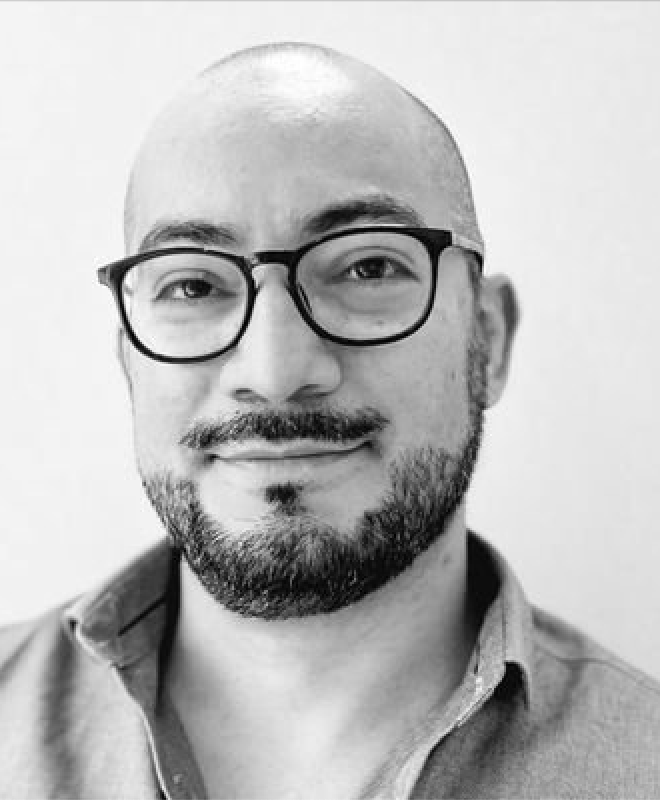
Armando Andres Roca Suarez, M.C. Ph.D. is a researcher at The Lyon Hepatology Institute. Dr. Roca attended medical school at the Catholic University of Bolivia. He subsequently received the degree of doctor in virology from the University of Strasbourg, for his work regarding the alteration of cell signaling pathways implicated during chronic HCV infection and liver disease progression. His research is currently focused on the development of new host-targeted therapeutic strategies against chronic HBV and HDV infection.
Armando Andres ROCA SUAREZ
Armando Andres Roca Suarez, M.C. Ph.D. is a researcher at The Lyon Hepatology Institute. Dr. Roca attended medical school at the Catholic University of Bolivia. He subsequently received the degree of doctor in virology from the University of Strasbourg, for his work regarding the alteration of cell signaling pathways implicated during chronic HCV infection and liver disease progression. His research is currently focused on the development of new host-targeted therapeutic strategies against chronic HBV and HDV infection.
Pierre TONNERRE
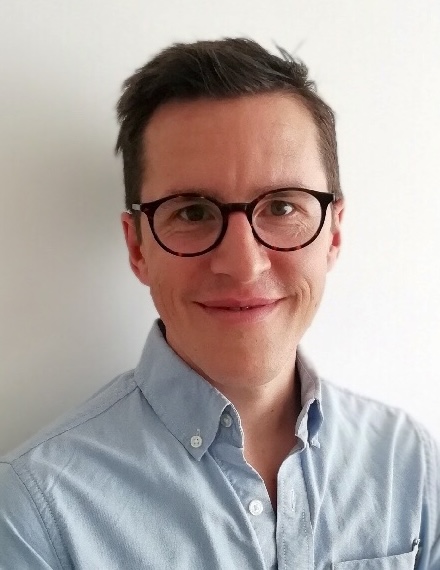
Dr. Pierre Tonnerre earned his Ph.D. in Immunology and Immunogenetics from the University of Nantes, France. He then joined Massachusetts General Hospital and Harvard Medical School, where he studied antigen-specific T cell responses in acute and chronic viral infections. Following postdoctoral training at Institut Pasteur, he established his own research lab at Saint-Louis Hospital in Paris. A Marie Sklodowska-Curie Fellow and Laureate of the ATIP-Avenir program, Dr. Tonnerre leads a team investigating the heterogeneity and functional plasticity of T cell responses in human cancers and infectious diseases. His research aims to advance immunotherapies and optimize vaccination strategies for improved clinical outcomes.
Pierre TONNERRE
Dr. Pierre Tonnerre earned his Ph.D. in Immunology and Immunogenetics from the University of Nantes, France. He then joined Massachusetts General Hospital and Harvard Medical School, where he studied antigen-specific T cell responses in acute and chronic viral infections. Following postdoctoral training at Institut Pasteur, he established his own research lab at Saint-Louis Hospital in Paris. A Marie Sklodowska-Curie Fellow and Laureate of the ATIP-Avenir program, Dr. Tonnerre leads a team investigating the heterogeneity and functional plasticity of T cell responses in human cancers and infectious diseases. His research aims to advance immunotherapies and optimize vaccination strategies for improved clinical outcomes.
Carolanne VAN BELLEGHEM
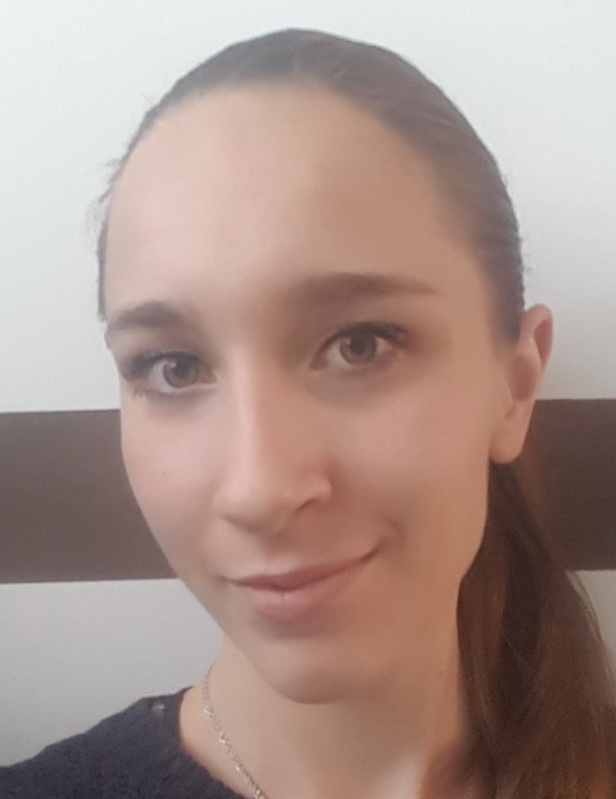
Currently a PhD student in structural biology at the University Claude Bernard Lyon 1, Carolanne Van Belleghem is conducting research focused on the study of protein-protein interactions involved in the envelopment of the hepatitis B virus, under the supervision of Dr Lauriane Lecoq and Dr Anja Böckmann, at Molecular Microbiology and Structural Biochemistry (MMSB) in Protein solid-state NMR group. Her work uses combined nuclear magnetic resonance (NMR) and biophysical approaches such as isothermal calorimetric titration. Carolanne holds a Master's degree in structural biology from the Luminy Faculty of Science at Aix-Marseille University and has a solid background in biochemistry, biophysics and computational modelling. During her thesis, she took part in interdisciplinary infranalytics projects, to be trained in the electron paramagnetic resonance (EPR) technique, aimed at characterising the capsid-envelope interaction of the hepatitis B virus. Alongside her research, Carolanne has presented her results at the ANRS-AC42 annual meeting and at several workshops in which she has had the opportunity to attented. Fascinated by scientific communication and collaborative research, Carolanne plans to pursue an international postdoctoral career, with the aim of contributing to the interface between structural biology, biophysics and the development of new therapeutic approaches.
Carolanne VAN BELLEGHEM
Currently a PhD student in structural biology at the University Claude Bernard Lyon 1, Carolanne Van Belleghem is conducting research focused on the study of protein-protein interactions involved in the envelopment of the hepatitis B virus, under the supervision of Dr Lauriane Lecoq and Dr Anja Böckmann, at Molecular Microbiology and Structural Biochemistry (MMSB) in Protein solid-state NMR group. Her work uses combined nuclear magnetic resonance (NMR) and biophysical approaches such as isothermal calorimetric titration. Carolanne holds a Master's degree in structural biology from the Luminy Faculty of Science at Aix-Marseille University and has a solid background in biochemistry, biophysics and computational modelling. During her thesis, she took part in interdisciplinary infranalytics projects, to be trained in the electron paramagnetic resonance (EPR) technique, aimed at characterising the capsid-envelope interaction of the hepatitis B virus. Alongside her research, Carolanne has presented her results at the ANRS-AC42 annual meeting and at several workshops in which she has had the opportunity to attented. Fascinated by scientific communication and collaborative research, Carolanne plans to pursue an international postdoctoral career, with the aim of contributing to the interface between structural biology, biophysics and the development of new therapeutic approaches.

Xiaoqi YU
Xiaoqi YU, an assistant researcher at Shanghai Ruijin Hospital. She obtained her PhD at Shanghai Jiao Tong University School of Medicine. As part of her PhD training, she visited and trained on a research program at the Viral Hepatitis Research Laboratory of INSERM Unit 1052. Her research mainly focuses on the diagnosis, treatment, and pathogenesis of hepatitis B and emerging infectious diseases. She has published her work in Gut, Nature Communications, Emerging Microbes & Infections, etc.
Xiaoqi YU
Xiaoqi YU, an assistant researcher at Shanghai Ruijin Hospital. She obtained her PhD at Shanghai Jiao Tong University School of Medicine. As part of her PhD training, she visited and trained on a research program at the Viral Hepatitis Research Laboratory of INSERM Unit 1052. Her research mainly focuses on the diagnosis, treatment, and pathogenesis of hepatitis B and emerging infectious diseases. She has published her work in Gut, Nature Communications, Emerging Microbes & Infections, etc.

Fabien ZOULIM
Fabien Zoulim is Professor of Medicine at Lyon I University since 1997. He is Head of the Hepatology Department at the Hospices Civils de Lyon, and Head of the INSERM laboratory on Pathobiology and Therapy of Liver Diseases. He founded the Lyon Hepatology Institute (https://www.ihu-hepatolyon.fr/en) in 2023. Dr Zoulim is Associate Editor for GUT, and also served as a Governing Board member of the European Association for the Study of the Liver (EASL). His research is focusing on the mechanisms of HBV persistence to find a cure for HBV. He is also coordinating the ANRS “HBV cure” Task Force in France since 2014, and co-founded the International Coalition to Eliminate HBV in 2016 (ICE-HBV: http//:www.ice-hbv.org). For his research on “HBV cure”, Dr Zoulim received the 2004 William Prusoff and the 2023 Gertrude Elion awards of the International Society for Antiviral Research, and the 2022 Distinguished Award in HBV Research from the International HBV meeting. In 2024, Clarivate ranked Dr Zoulim as one of the world’s most cited researchers (HCR 2024).
Fabien ZOULIM
Fabien Zoulim is Professor of Medicine at Lyon I University since 1997. He is Head of the Hepatology Department at the Hospices Civils de Lyon, and Head of the INSERM laboratory on Pathobiology and Therapy of Liver Diseases. He founded the Lyon Hepatology Institute (https://www.ihu-hepatolyon.fr/en) in 2023. Dr Zoulim is Associate Editor for GUT, and also served as a Governing Board member of the European Association for the Study of the Liver (EASL). His research is focusing on the mechanisms of HBV persistence to find a cure for HBV. He is also coordinating the ANRS “HBV cure” Task Force in France since 2014, and co-founded the International Coalition to Eliminate HBV in 2016 (ICE-HBV: http//:www.ice-hbv.org). For his research on “HBV cure”, Dr Zoulim received the 2004 William Prusoff and the 2023 Gertrude Elion awards of the International Society for Antiviral Research, and the 2022 Distinguished Award in HBV Research from the International HBV meeting. In 2024, Clarivate ranked Dr Zoulim as one of the world’s most cited researchers (HCR 2024).
THE MODERATORS
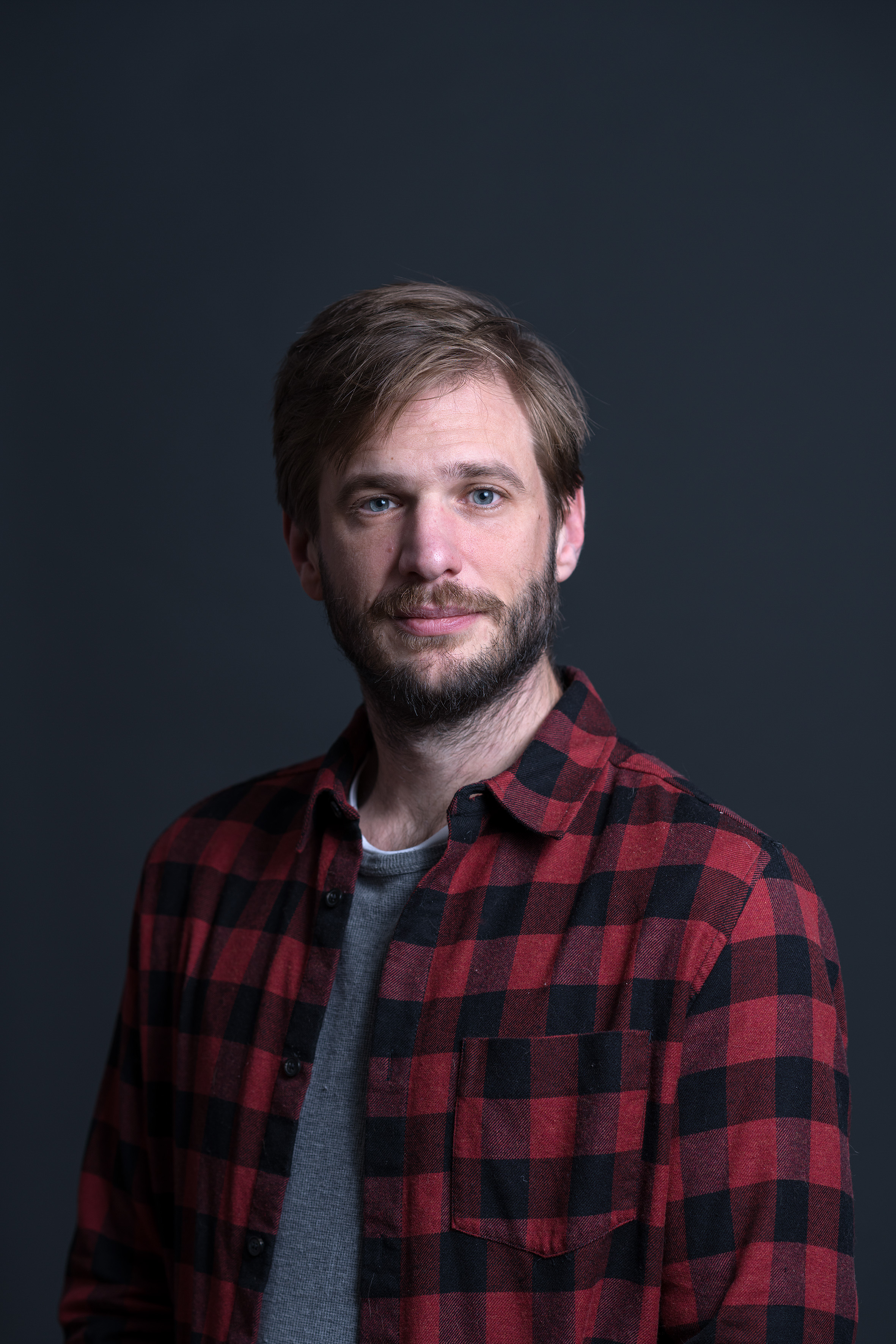
Anders BOYD
Dr. Boyd obtained his PhD at the Université Pierre et Marie Curie in Epidemiology and Biostatistics. He then went on to receive several post-doctoral fellowships from the ANRS and Sidaction examining various aspects of HIV and HBV coinfection. He currently works as a biostatistician and senior researcher at the Stichting HIV monitoring, focusing on various aspects of HIV and viral hepatitis related care in the Netherlands and within several large collaborative studies. More broadly, he specializes in statistical modeling of observational data and randomized clinical trials, with extensive applications in viral hepatitis.
Anders BOYD
Dr. Boyd obtained his PhD at the Université Pierre et Marie Curie in Epidemiology and Biostatistics. He then went on to receive several post-doctoral fellowships from the ANRS and Sidaction examining various aspects of HIV and HBV coinfection. He currently works as a biostatistician and senior researcher at the Stichting HIV monitoring, focusing on various aspects of HIV and viral hepatitis related care in the Netherlands and within several large collaborative studies. More broadly, he specializes in statistical modeling of observational data and randomized clinical trials, with extensive applications in viral hepatitis.
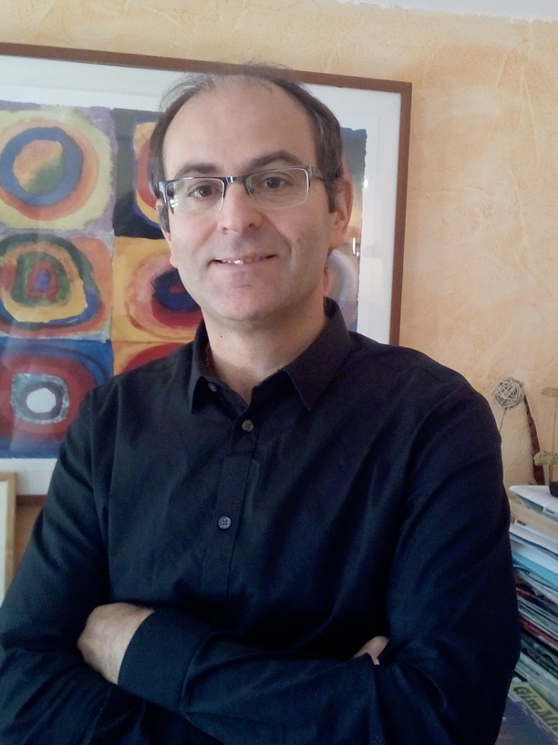
David DURANTEL
David Durantel earned his PhD in Molecular and Cellular Virology at the University of Montpellier in 1997. After three postdoctoral trainings respectively at Oxford Brookes University, University of Oxford, and INSERM, he obtained a tenured position in 2005 at INSERM, then his Habilitation to direct research in 2008 from the University of Lyon (UCBL), and was finally promoted Director of Research in 2016. During all these years, he worked on numerous research projects related to drug discovery in the viral hepatitis field. As a reward of his dedication to the Antiviral Research field, he received the 2021 William Prusoff Award from the International Society for Antiviral Research (ISAR). He is serving this society as chairman of the Finance committee and has been elected President in 2024 (https://www.isar-icar.com/The-Society). He currently leads a team (HepVir) at the International Center for Research in Infectiology (CIRI, https://ciri.ens-lyon.fr/teams/HepVir; Lyon), which studies HBV and HDV infections/co-infections, as well as other hepatotropic viruses, and contributes to the R&D of novel DAAs and HTAs. He has authored/co-authored more than 135 PubMed-recorded articles/reviews, as well as numerous proceedings/book chapters & is inventor in a dozen of patents. He contributes to the French coordination on viral hepatitis research at ANRS (French Agency for AIDS and Hepatitis Research), seats in the board of several ANRS “study section” and “concerted action” committees and routinely organiz.ed.es workshops/conferences at National level. Between 2014-2023, he served as editor for the Antiviral Research journal, and, associated to this function, has co-organized several International Antiviral Conferences. In June 2023, it was appointed deputy Editor in Chief for the journal, in charge of invited reviews and special issues. He has co-organized the 2022’s edition of the International HBV Meeting, held in Paris, in recognition to his impact in the HBV/HDV community. He served as local organizer of the ICAR meeting (2023 edition of annual meeting of ISAR) held in Lyon. And with his election at the Presidency of ISAR, he is in charge of ICAR meeting for 2025-28 period.
David DURANTEL
David Durantel earned his PhD in Molecular and Cellular Virology at the University of Montpellier in 1997. After three postdoctoral trainings respectively at Oxford Brookes University, University of Oxford, and INSERM, he obtained a tenured position in 2005 at INSERM, then his Habilitation to direct research in 2008 from the University of Lyon (UCBL), and was finally promoted Director of Research in 2016. During all these years, he worked on numerous research projects related to drug discovery in the viral hepatitis field. As a reward of his dedication to the Antiviral Research field, he received the 2021 William Prusoff Award from the International Society for Antiviral Research (ISAR). He is serving this society as chairman of the Finance committee and has been elected President in 2024 (https://www.isar-icar.com/The-Society). He currently leads a team (HepVir) at the International Center for Research in Infectiology (CIRI, https://ciri.ens-lyon.fr/teams/HepVir; Lyon), which studies HBV and HDV infections/co-infections, as well as other hepatotropic viruses, and contributes to the R&D of novel DAAs and HTAs. He has authored/co-authored more than 135 PubMed-recorded articles/reviews, as well as numerous proceedings/book chapters & is inventor in a dozen of patents. He contributes to the French coordination on viral hepatitis research at ANRS (French Agency for AIDS and Hepatitis Research), seats in the board of several ANRS “study section” and “concerted action” committees and routinely organiz.ed.es workshops/conferences at National level. Between 2014-2023, he served as editor for the Antiviral Research journal, and, associated to this function, has co-organized several International Antiviral Conferences. In June 2023, it was appointed deputy Editor in Chief for the journal, in charge of invited reviews and special issues. He has co-organized the 2022’s edition of the International HBV Meeting, held in Paris, in recognition to his impact in the HBV/HDV community. He served as local organizer of the ICAR meeting (2023 edition of annual meeting of ISAR) held in Lyon. And with his election at the Presidency of ISAR, he is in charge of ICAR meeting for 2025-28 period.
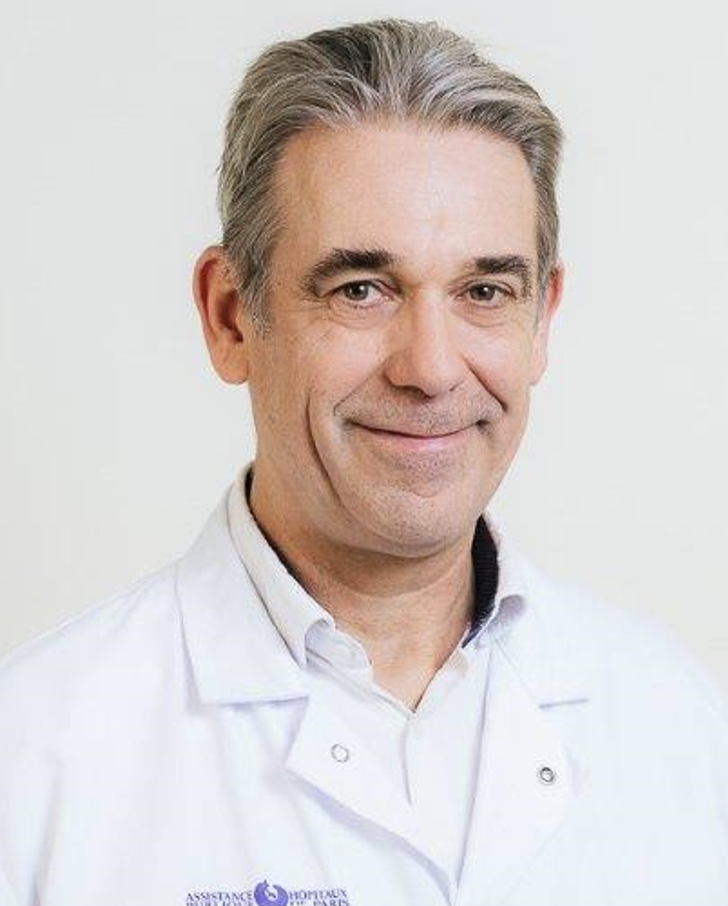
Vincent LEROY
Professor Leroy currently serves as the head of the department of Hepatology at Henri Mondor University Hospital in Paris. His clinical expertise includes viral hepatitis and rare and indetermined liver diseases. He is currently principal investigator of more than 20 phase I-II-III clinical trials in hepatitis B and D, MASH, cirrhosis, PBC and PSC and has implemented integrated programs for optimizing cares and academic clinical research in hepatitis B/D (HBV Biomark program) and rare liver diseases (LIPHE program). He has been interested in translational research in chronic liver diseases and belongs to the Virus Hepatology Cancer team at INSERM 955, with a specific focus on liver fibrosis and characterization of the immune microenvironment in relevant clinical settings. He is expert at ANRS-MIE as member of the Hepather scientific committee and coordinator of the hepatitis B/D therapeutic groups of AC45. He has been president of the Hepatology and Gastroenterology University National Council since January 2025 with the objective to promote academic careers in young hepato-gastroenterologists.
Vincent LEROY
Professor Leroy currently serves as the head of the department of Hepatology at Henri Mondor University Hospital in Paris. His clinical expertise includes viral hepatitis and rare and indetermined liver diseases. He is currently principal investigator of more than 20 phase I-II-III clinical trials in hepatitis B and D, MASH, cirrhosis, PBC and PSC and has implemented integrated programs for optimizing cares and academic clinical research in hepatitis B/D (HBV Biomark program) and rare liver diseases (LIPHE program). He has been interested in translational research in chronic liver diseases and belongs to the Virus Hepatology Cancer team at INSERM 955, with a specific focus on liver fibrosis and characterization of the immune microenvironment in relevant clinical settings. He is expert at ANRS-MIE as member of the Hepather scientific committee and coordinator of the hepatitis B/D therapeutic groups of AC45. He has been president of the Hepatology and Gastroenterology University National Council since January 2025 with the objective to promote academic careers in young hepato-gastroenterologists.
Christine NEUVEUT
I 'm Directeur de Recherche Inserm in the team "Molecular Virology " at the Institute of Human Genetics in Montpellier. My group in the team investigates the mechanisms regulating HBV nuclear DNA (cccDNA) transcription and persistence. with a focus on the chromatin structure of the cccDNA and the role of cellular and viral proteins in HBV cccDNA biology. We are also investigating whether integrated HBV DNA contributes to liver cancer development by perturbating the nuclear genome spatial organization.
Christine NEUVEUT
I 'm Directeur de Recherche Inserm in the team "Molecular Virology " at the Institute of Human Genetics in Montpellier. My group in the team investigates the mechanisms regulating HBV nuclear DNA (cccDNA) transcription and persistence. with a focus on the chromatin structure of the cccDNA and the role of cellular and viral proteins in HBV cccDNA biology. We are also investigating whether integrated HBV DNA contributes to liver cancer development by perturbating the nuclear genome spatial organization.

Jean-Michel PAWLOTSKY
Dr Jean-Michel Pawlotsky is Professor of Medicine at the University of Paris-Est. He is the Director of the Department of Virology at the Henri Mondor University Hospital in Créteil, France, and Director of research team “Viruses-Hepatology-Cancer“ at the Mondor Institute of Biomedical Research (INSERM U955). He focuses on teaching and research in virology (primarily hepatitis viruses) and liver oncology. Dr Pawlotsky earned his medical degree in Hepatology and Gastroenterology in 1992. In addition, he earned a Thesis in molecular virology from the University of Paris, France, and he is a graduate in virology from the Pasteur Institute in Paris and microbiology from the University of Paris. Dr Pawlotsky has been acting as the Secretary General of the European Association for the Study of the Liver (EASL) between 2005 and 2009. He is in charge of the Young Investigators program at the National Agency for Research on AIDS and Viral Hepatitis/Emerging Infectious Diseases (ANRS/MIE). Dr Pawlotsky has been an Associate Editor of Hepatology, the official journal of the American Association for the Study of Liver Diseases (AASLD), between 2001 and 2006, and an Associate Editor of Gastroenterology, the official journal of the American Gastroenterological Association (AGA), between 2011 and 2016. Dr Pawlotsky’s noted career contributions include the publication of over 650 articles and book chapters in his areas of expertise and over 900 invited lectures at international and national meetings.
Jean-Michel PAWLOTSKY
Dr Jean-Michel Pawlotsky is Professor of Medicine at the University of Paris-Est. He is the Director of the Department of Virology at the Henri Mondor University Hospital in Créteil, France, and Director of research team “Viruses-Hepatology-Cancer“ at the Mondor Institute of Biomedical Research (INSERM U955). He focuses on teaching and research in virology (primarily hepatitis viruses) and liver oncology. Dr Pawlotsky earned his medical degree in Hepatology and Gastroenterology in 1992. In addition, he earned a Thesis in molecular virology from the University of Paris, France, and he is a graduate in virology from the Pasteur Institute in Paris and microbiology from the University of Paris. Dr Pawlotsky has been acting as the Secretary General of the European Association for the Study of the Liver (EASL) between 2005 and 2009. He is in charge of the Young Investigators program at the National Agency for Research on AIDS and Viral Hepatitis/Emerging Infectious Diseases (ANRS/MIE). Dr Pawlotsky has been an Associate Editor of Hepatology, the official journal of the American Association for the Study of Liver Diseases (AASLD), between 2001 and 2006, and an Associate Editor of Gastroenterology, the official journal of the American Gastroenterological Association (AGA), between 2011 and 2016. Dr Pawlotsky’s noted career contributions include the publication of over 650 articles and book chapters in his areas of expertise and over 900 invited lectures at international and national meetings.
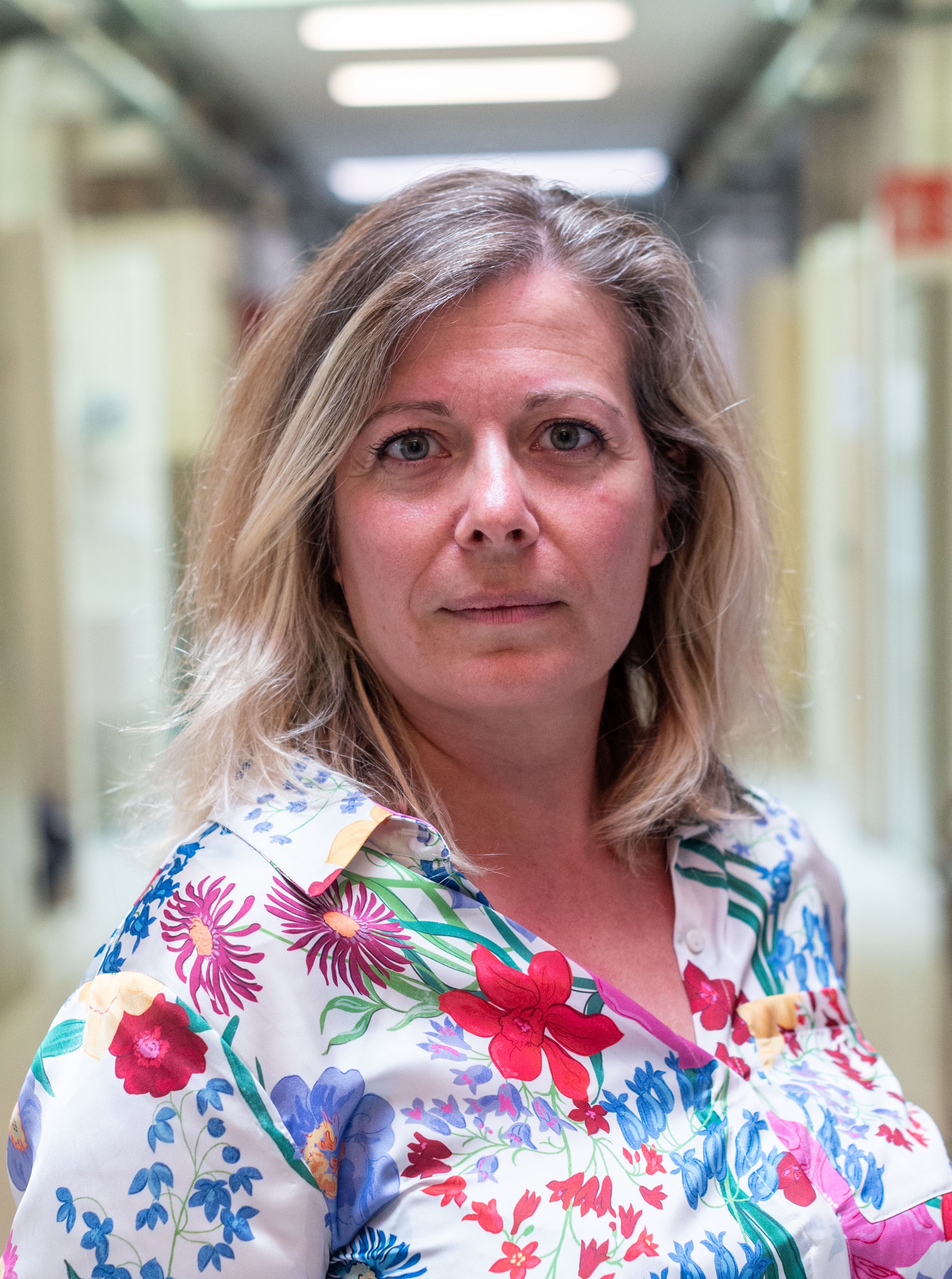
Barbara TESTONI
Dr Barbara Testoni is a research scientist and team leader at UMR 1350-PaThLiv, The Lyon Hepatology Institute in France. She obtained her PhD in Genetics and Molecular Biology at the University of Milan, working on eukaryotic transcriptional regulation in the setting of skin development. Then, she moved to the University of Rome “La Sapienza”, where she began to work on liver disease and type-I interferon signaling. At present, her research interests mainly include the investigation of the epigenetic mechanisms at the basis of host and viral gene regulation during HBV infection, with particular focus on the transcriptional regulation of the HBV minichromosome. She is also involved in translational studies, to the aim of understanding the relationships between HBV persistence and intrahepatic innate immunity perturbations and to characterizing new serum biomarkers for intrahepatic cccDNA activity. A particular focus is given to the investigation of chronic hepatitis B natural history and viral biomarkers in resource-limited countries. Dr. Testoni is an active member of the French “national agency for the research on HIV, viral hepatitis and emerging infectious diseases (ANRS|MIE)”, the “International Coalition to Eliminate HBV (ICE-HBV)” and the Hepatitis B Foundation “emerging Scholar and Medical Advisory Board (eSMAB)”.
Barbara TESTONI
Dr Barbara Testoni is a research scientist and team leader at UMR 1350-PaThLiv, The Lyon Hepatology Institute in France. She obtained her PhD in Genetics and Molecular Biology at the University of Milan, working on eukaryotic transcriptional regulation in the setting of skin development. Then, she moved to the University of Rome “La Sapienza”, where she began to work on liver disease and type-I interferon signaling. At present, her research interests mainly include the investigation of the epigenetic mechanisms at the basis of host and viral gene regulation during HBV infection, with particular focus on the transcriptional regulation of the HBV minichromosome. She is also involved in translational studies, to the aim of understanding the relationships between HBV persistence and intrahepatic innate immunity perturbations and to characterizing new serum biomarkers for intrahepatic cccDNA activity. A particular focus is given to the investigation of chronic hepatitis B natural history and viral biomarkers in resource-limited countries. Dr. Testoni is an active member of the French “national agency for the research on HIV, viral hepatitis and emerging infectious diseases (ANRS|MIE)”, the “International Coalition to Eliminate HBV (ICE-HBV)” and the Hepatitis B Foundation “emerging Scholar and Medical Advisory Board (eSMAB)”.
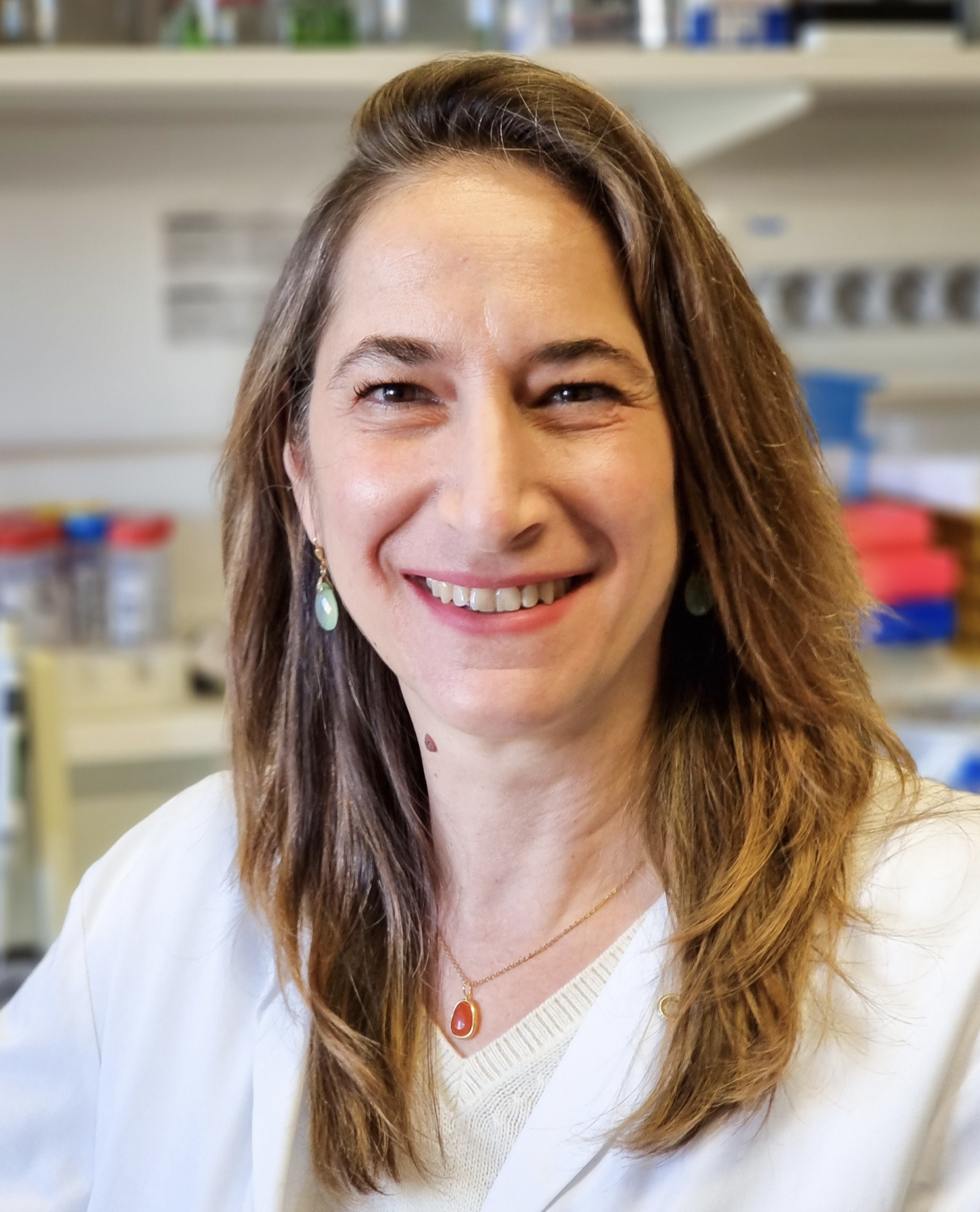
Helen STRICK-MARCHAND
Dr. Strick-Marchand is Director of Research heading the group “Humanized mice for infectious disease modeling” in the Innate Immunity Unit of the Immunology Department at Institut Pasteur. She received her PhD in Cell and Developmental Biology from the Univ Paris VI, and her HDR in Immunology from the Univ Paris VII. Her research interests include liver development, hepatic immunity, and investigating virus-host crosstalks by developing novel humanized mouse models to study hepatotropic pathogens, focusing on the Hepatitis B virus. Her recent work investigates immune responses in HBV Cure therapies using immunocompetent humanized models. She is President of the ANRS CSS12 grant review panel for fundamental research in viral hepatitis.
Helen STRICK-MARCHAND
Dr. Strick-Marchand is Director of Research heading the group “Humanized mice for infectious disease modeling” in the Innate Immunity Unit of the Immunology Department at Institut Pasteur. She received her PhD in Cell and Developmental Biology from the Univ Paris VI, and her HDR in Immunology from the Univ Paris VII. Her research interests include liver development, hepatic immunity, and investigating virus-host crosstalks by developing novel humanized mouse models to study hepatotropic pathogens, focusing on the Hepatitis B virus. Her recent work investigates immune responses in HBV Cure therapies using immunocompetent humanized models. She is President of the ANRS CSS12 grant review panel for fundamental research in viral hepatitis.
Patrick SOUSSAN
I am a medical virologist at Saint Antoine Hospital (AP-HP). My scientific work focuses on the regulation of alternative splicing of HBV transcripts and its impact on the viral proteome. Our research allowed to identify the 8th HBV protein, named HBSP, which is translated from sp1RNA. We showed that this viral protein contributes to the liver pathogenesis associated with HBV infection.
Patrick SOUSSAN
I am a medical virologist at Saint Antoine Hospital (AP-HP). My scientific work focuses on the regulation of alternative splicing of HBV transcripts and its impact on the viral proteome. Our research allowed to identify the 8th HBV protein, named HBSP, which is translated from sp1RNA. We showed that this viral protein contributes to the liver pathogenesis associated with HBV infection.
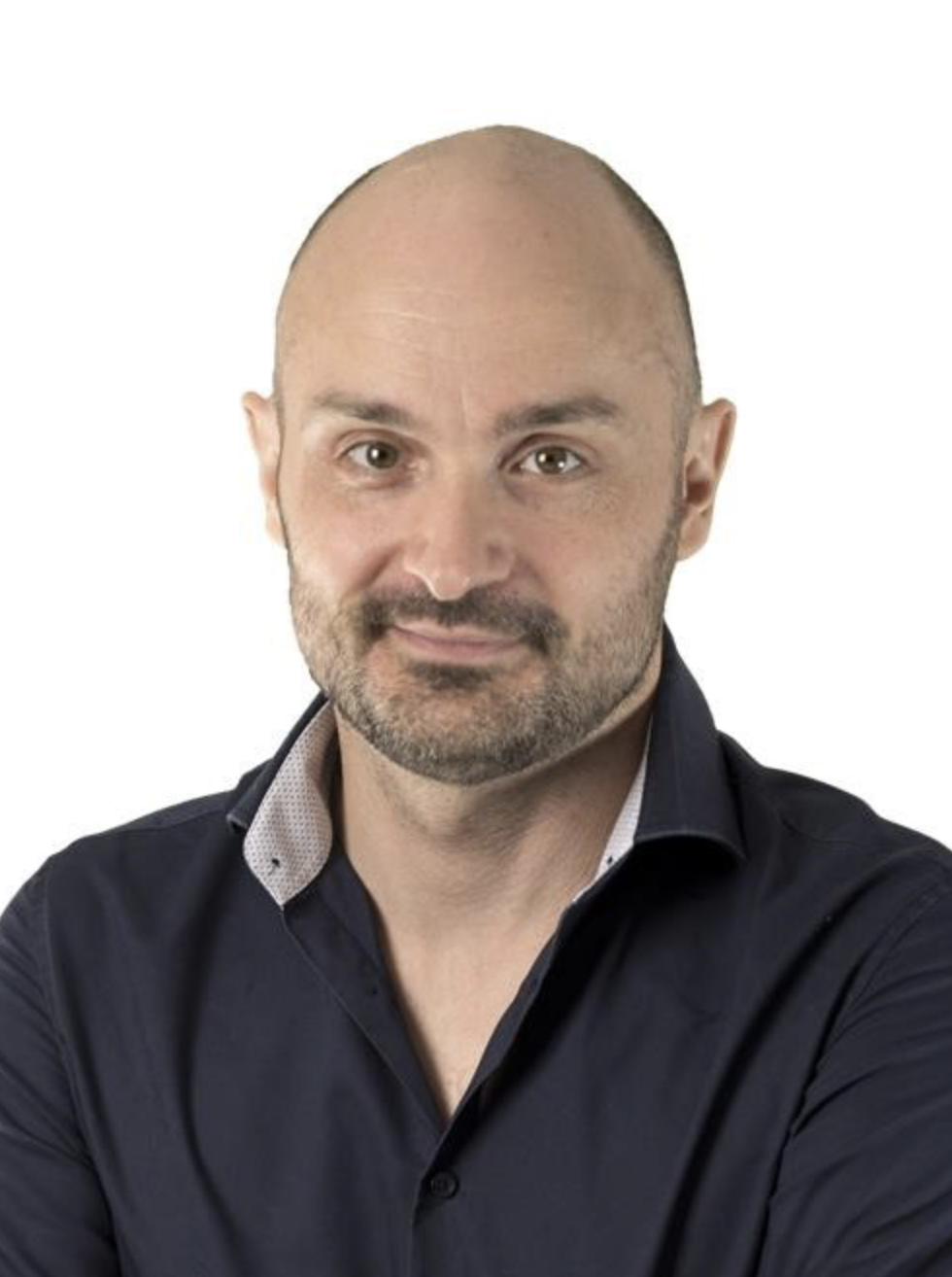
Eloi VERRIER
Dr. Eloi R. Verrier is a distinguished French virologist currently serving as a researcher at the Institute for Translational Medicine and Liver Disease (Inserm UMR_S1110) in Strasbourg, France. His research primarily focuses on the interactions between hepatitis viruses, particularly hepatitis D (HDV) and hepatitis B (HBV), and hepatocyte host factors, aiming to develop new therapeutic strategies. His work has significantly advanced the understanding of viral pathogenesis and host-virus dynamics. Dr. Verrier has co-authored over 60 peer-reviewed publications, contributing to the development of novel antiviral approaches and shedding light on the molecular mechanisms underlying liver diseases. In recognition of his scientific contributions, he received the "Les Espoirs de l’Université de Strasbourg" award in 2023, underscoring his role in advancing research within the Hepsys Research Cluster. Beyond his research, Dr. Verrier is actively engaged in scientific communication and community coordination. He serves as president of Coordinated Action 42 at ANRS | MIE, where he leads efforts to foster collaboration within the French scientific community focused on fundamental research in viral hepatitis. Dr. Verrier’s commitment to both scientific excellence and public engagement positions him as a prominent figure in the field of viral hepatitis research.
Eloi VERRIER
Dr. Eloi R. Verrier is a distinguished French virologist currently serving as a researcher at the Institute for Translational Medicine and Liver Disease (Inserm UMR_S1110) in Strasbourg, France. His research primarily focuses on the interactions between hepatitis viruses, particularly hepatitis D (HDV) and hepatitis B (HBV), and hepatocyte host factors, aiming to develop new therapeutic strategies. His work has significantly advanced the understanding of viral pathogenesis and host-virus dynamics. Dr. Verrier has co-authored over 60 peer-reviewed publications, contributing to the development of novel antiviral approaches and shedding light on the molecular mechanisms underlying liver diseases. In recognition of his scientific contributions, he received the "Les Espoirs de l’Université de Strasbourg" award in 2023, underscoring his role in advancing research within the Hepsys Research Cluster. Beyond his research, Dr. Verrier is actively engaged in scientific communication and community coordination. He serves as president of Coordinated Action 42 at ANRS | MIE, where he leads efforts to foster collaboration within the French scientific community focused on fundamental research in viral hepatitis. Dr. Verrier’s commitment to both scientific excellence and public engagement positions him as a prominent figure in the field of viral hepatitis research.
REGISTRATION